Factorio
Wube Software · 2016
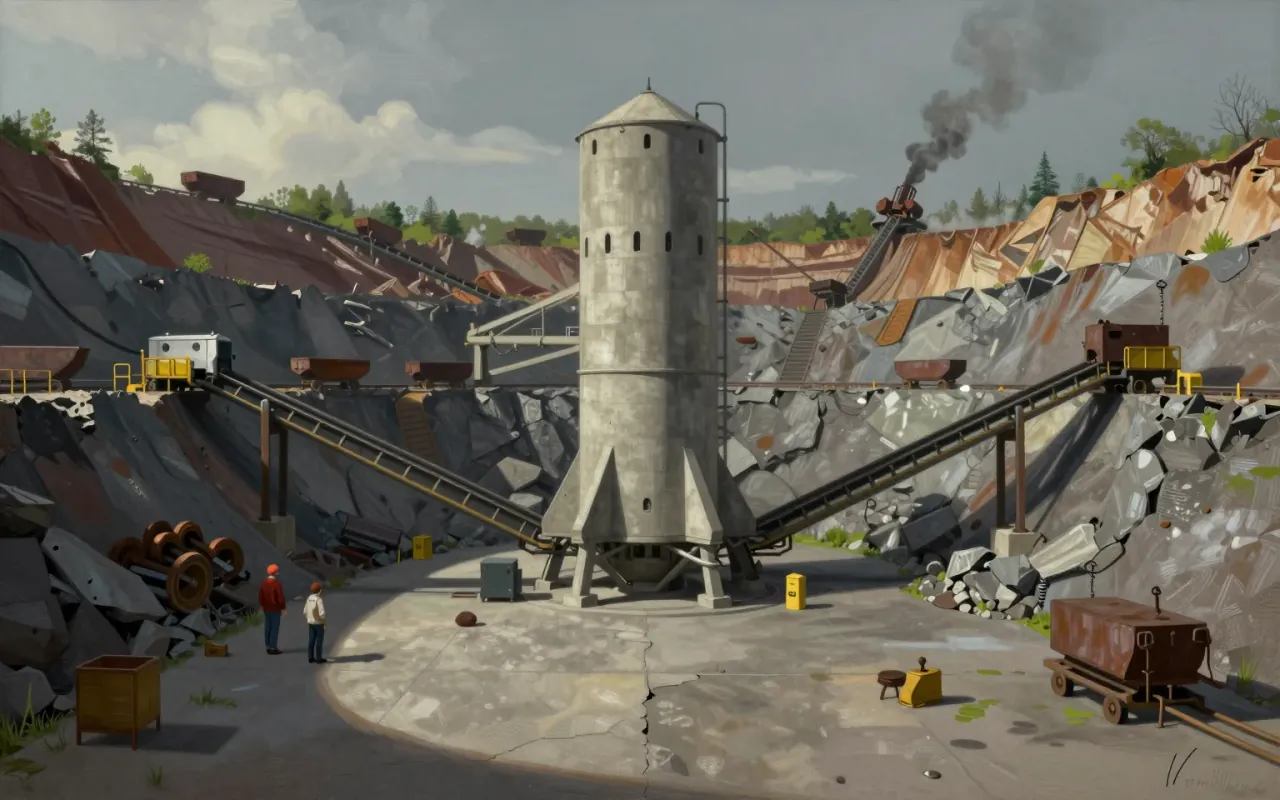
Factorio is a factory simulation game developed and published by Czech studio Wube Software.
Factorio is a factory simulation game developed and published by Czech studio Wube Software.
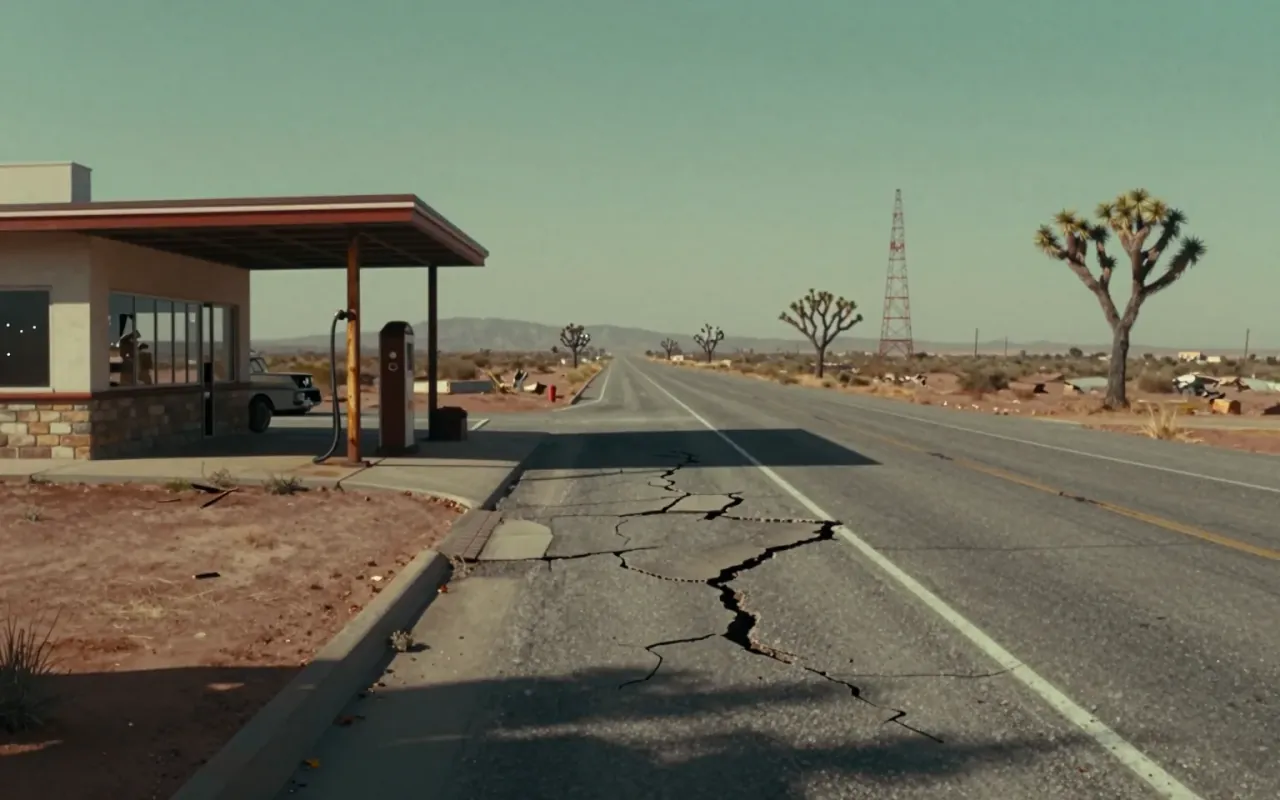
Fallout 2 is a role-playing video game developed by Black Isle Studios in 1998. It is a direct sequel built on the same engine and design philosophy as its predecessor. It is not the origin of the Fallout series — Black Isle did not create the original Fallout, though many of its founding members came from that team.
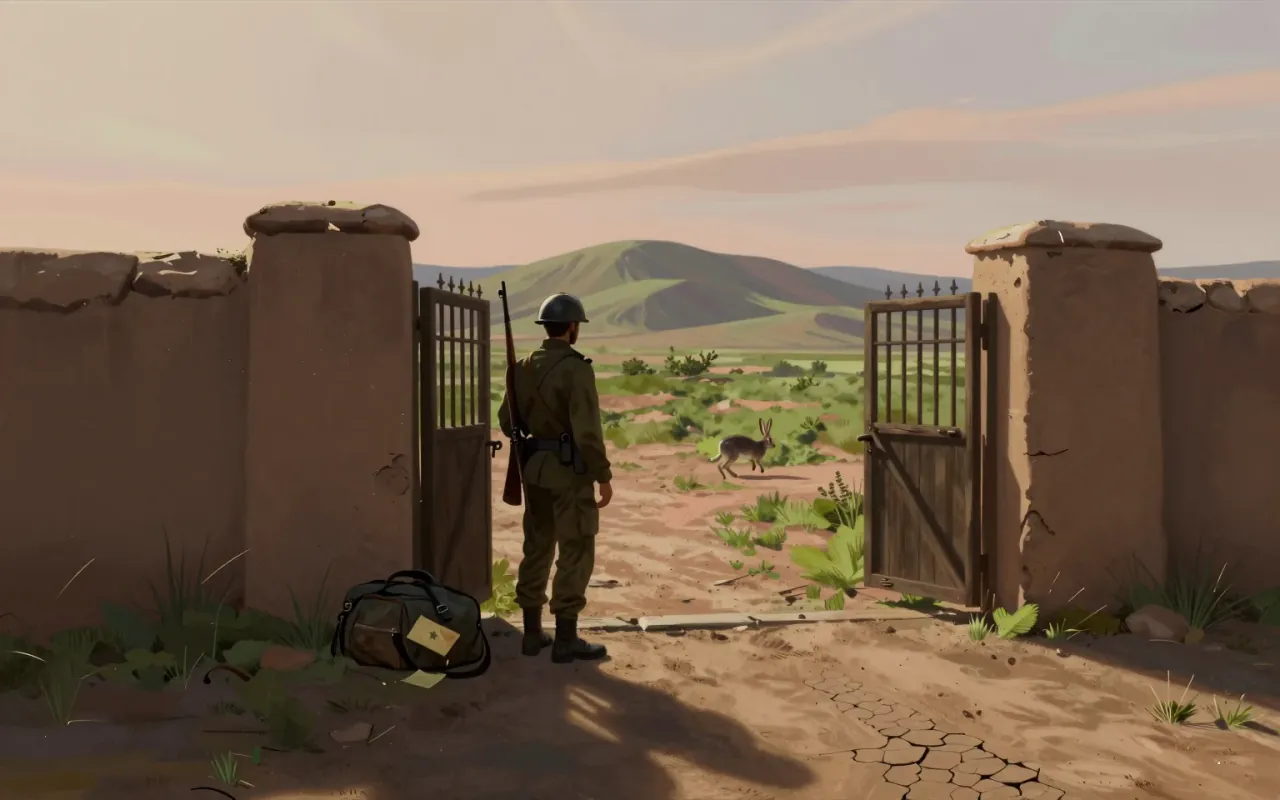
Fallout: New Vegas is a licensed action role-playing game released in October 2010 by Obsidian Entertainment and published by Bethesda Softworks. It features dual-perspective gameplay, an open-world structure, VATS-based combat, branching dialogue trees, companion recruitment, and deep character customization via SPECIAL attributes and skill allocation—all set in a post-apocalyptic Mojave Desert.
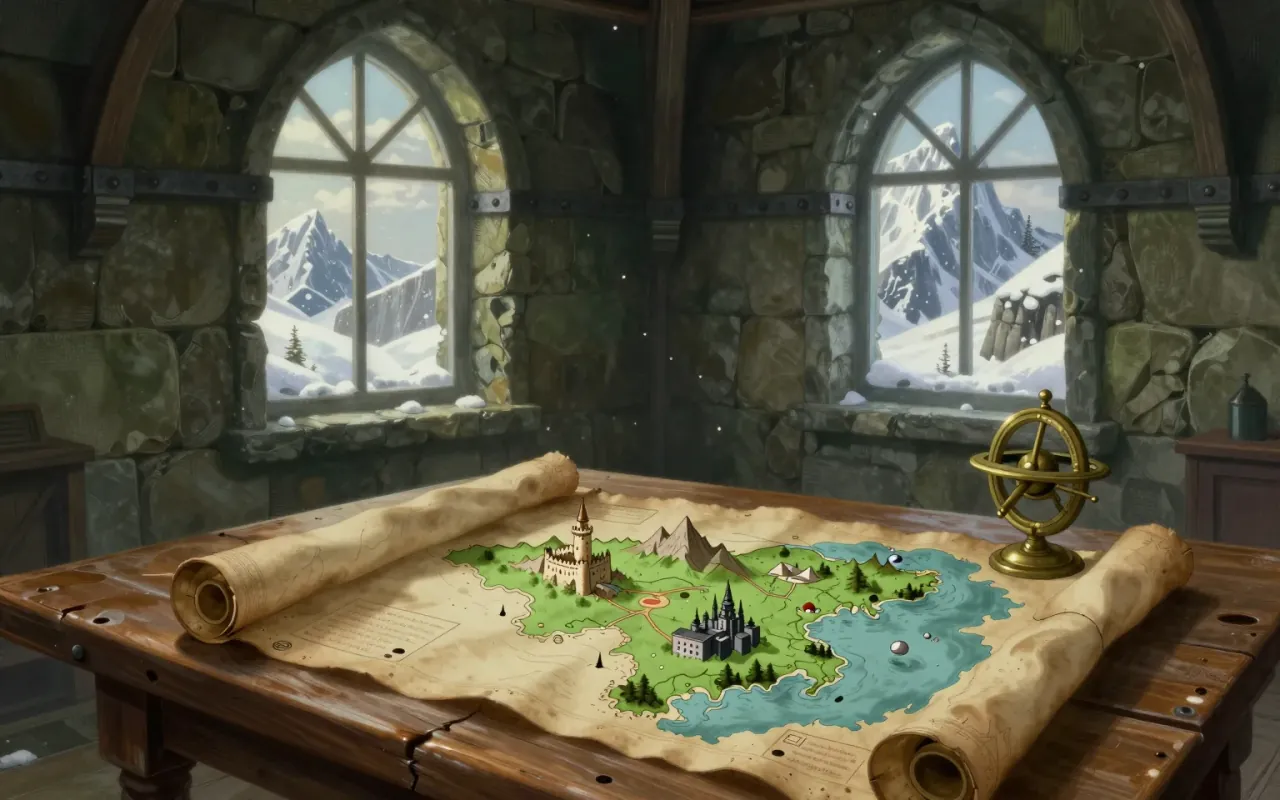
Final Fantasy VI is a role-playing game for the Super Nintendo Entertainment System developed and published by Square. Its gameplay is structured around four basic modes: overworld map, town and dungeon field maps, battle screen, and menu screen. The overworld map is a scaled-down representation of the game world used for directing characters to locations, with travel primarily by foot, chocobo, or airship. Enemies are randomly encountered on field maps and the overworld when traveling by foot, except in plot-driven cases. The menu screen is used to configure the traveling party, equipment, learned magic, and gameplay settings, and also tracks experience points and character levels. Plot progression occurs as the player moves through towns and dungeons, where town citizens provide helpful information and some operate item or equipment shops.
Final Fantasy VII is a foundational 3D JRPG that replaces free movement with narrative-gated spatial modes. Its innovation lies in structural clarity—not immersion.
Final Fantasy X (2001) is a PlayStation 2 RPG by Square that replaces the Active Time Battle system with the Conditional Turn-Based Battle system, abandons traditional leveling for the Sphere Grid, redefines summoning via persistent Aeons, and implements interactive Overdrives. It runs on a continuous 3D world map.
Frogger is a 1981 Konami arcade action game where the player guides frogs across a road and river to reach homes at the top of the screen.
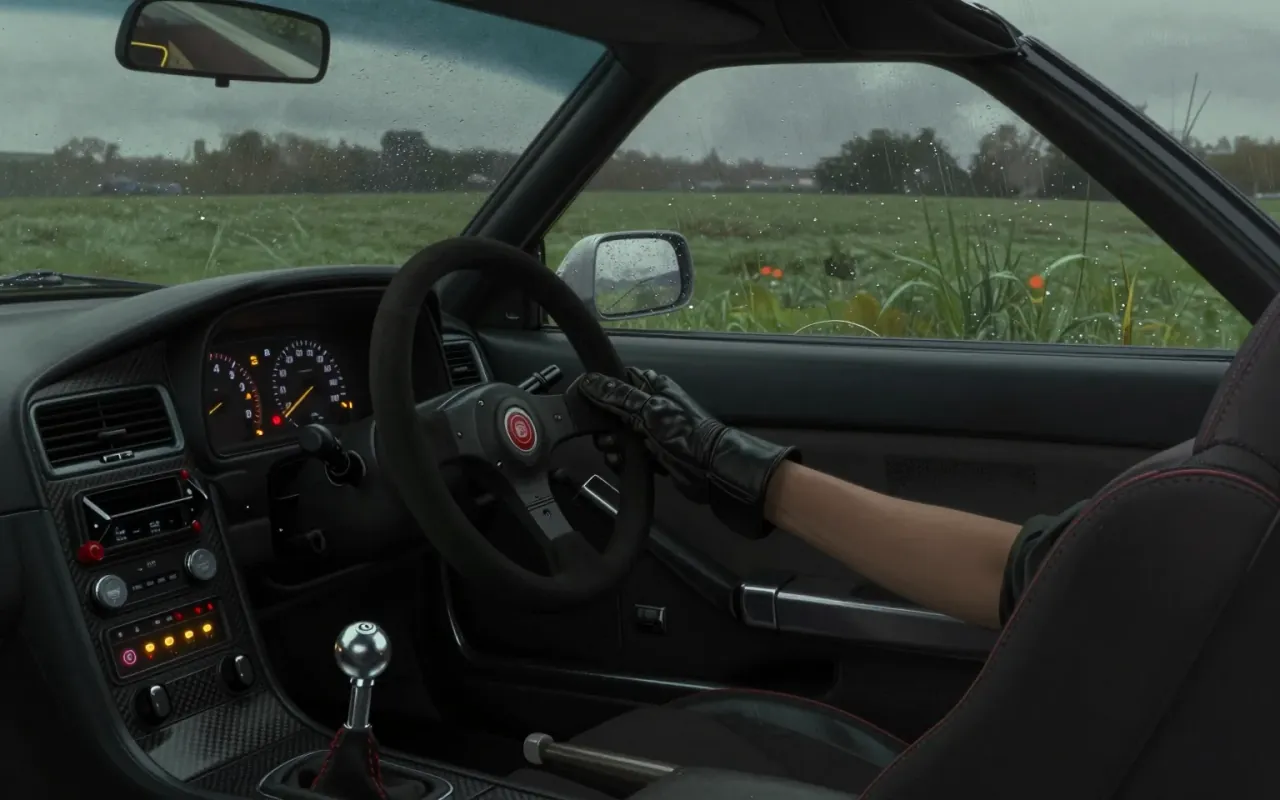
Gran Turismo 4 is a PlayStation 2 sim racing title by Polyphony Digital. It features A-Spec (first-person racing with experience-based progression), B-Spec (AI-directed crew-chief mode), Driving Missions, Photo Mode, and Nissan collaborations including the Fairlady Z NISMO S-Tune Concept and Z-Tune 350Z. It lacks online play at launch and uses reactive-only damage.
Grand Theft Auto III is a foundational open-world action-adventure game that redefined spatial possibility in games—but its systems remain rigid, its controls unrefined, and its world more atmospheric than alive.
Grand Theft Auto: San Andreas is an action-adventure game published by Rockstar Games in 2004. Players control Carl 'CJ' Johnson in a third-person open world representing a fictionalised California and Nevada. The world comprises three cities—Los Santos, San Fierro, and Las Venturas—connected by rural and desert areas. Cities unlock progressively through the story; airports allow fast travel between them. Players complete linear story missions with fixed objectives, and may freely explore and undertake optional side missions. Navigation includes running, swimming, and vehicle use; combat includes melee, firearms, explosives, dual-wielding, and drive-by shootings. Weapons are acquired via purchase, looting corpses, or finding them scattered across the world. Safehouses—purchasable locations—are used to save progress and store vehicles. The game introduces role-playing elements such as character customisation, skill progression, gang territory control, and relationship management.

Grand Theft Auto V is an action-adventure game released in 2013 by Rockstar Games. It features an open-world setting modelled on Southern California and Los Angeles, navigable on foot or by vehicle from third- or first-person perspectives. Players control three protagonists—Michael, Franklin, and Trevor—and switch between them during and outside linear story missions centred on heists. Gameplay includes shooting, driving, melee combat, explosives, and a 'wanted' system that escalates law enforcement response to crimes. The world is fully explorable after the prologue and supports context-specific activities, property purchases, stock trading, and character-specific skills. Combat uses auto-aim and cover systems; health regenerates to halfway, with respawns at hospitals upon death. Heists involve AI accomplices with unique skills and support multiple strategies. The game runs on the Rockstar Advanced Game Engine (RAGE) and is part of the Grand Theft Auto franchise, originally published by BMG Interactive.

Vice City is a meticulously directed crime fantasy—not an open world, but a staged one.
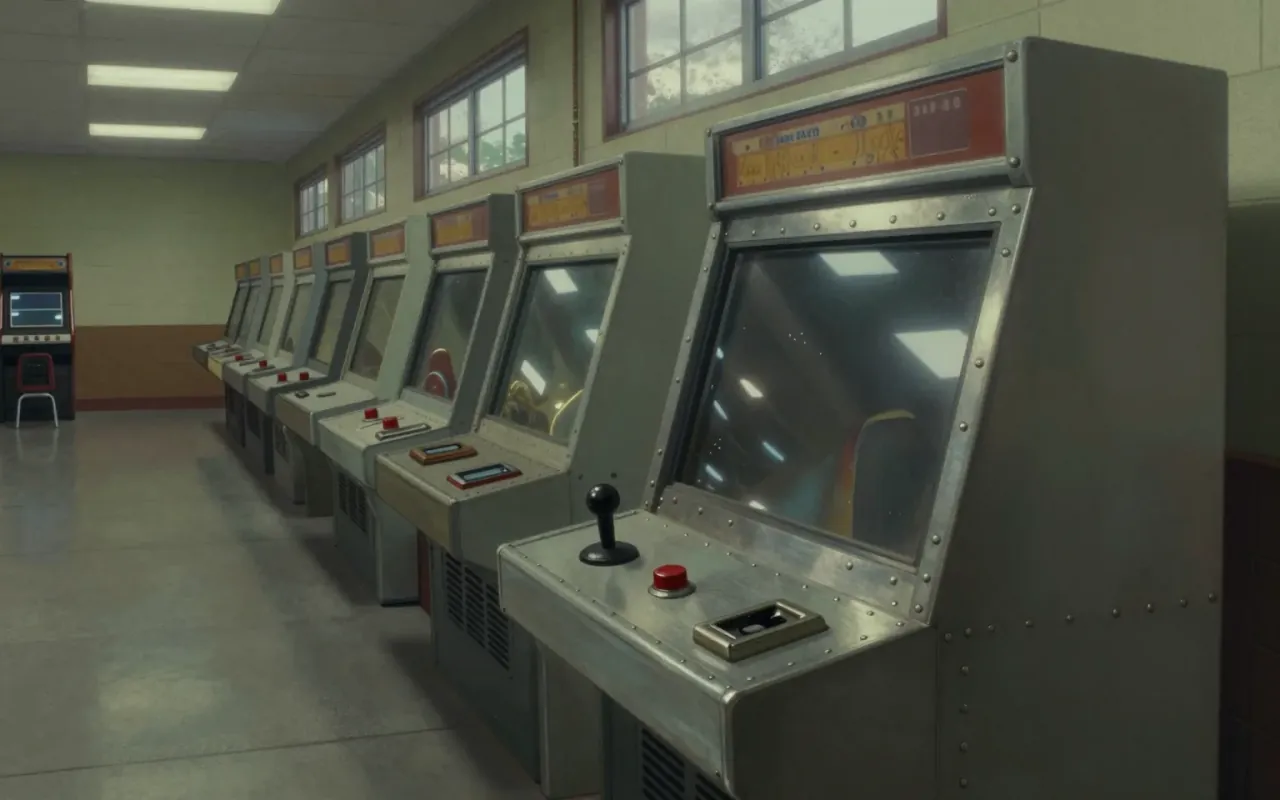
Gyruss is a Konami shoot 'em up arcade game from 1988. It uses one-point perspective with a central vanishing point. The player’s ship orbits the screen’s perimeter. Enemies are spaceships that must be destroyed to complete levels.
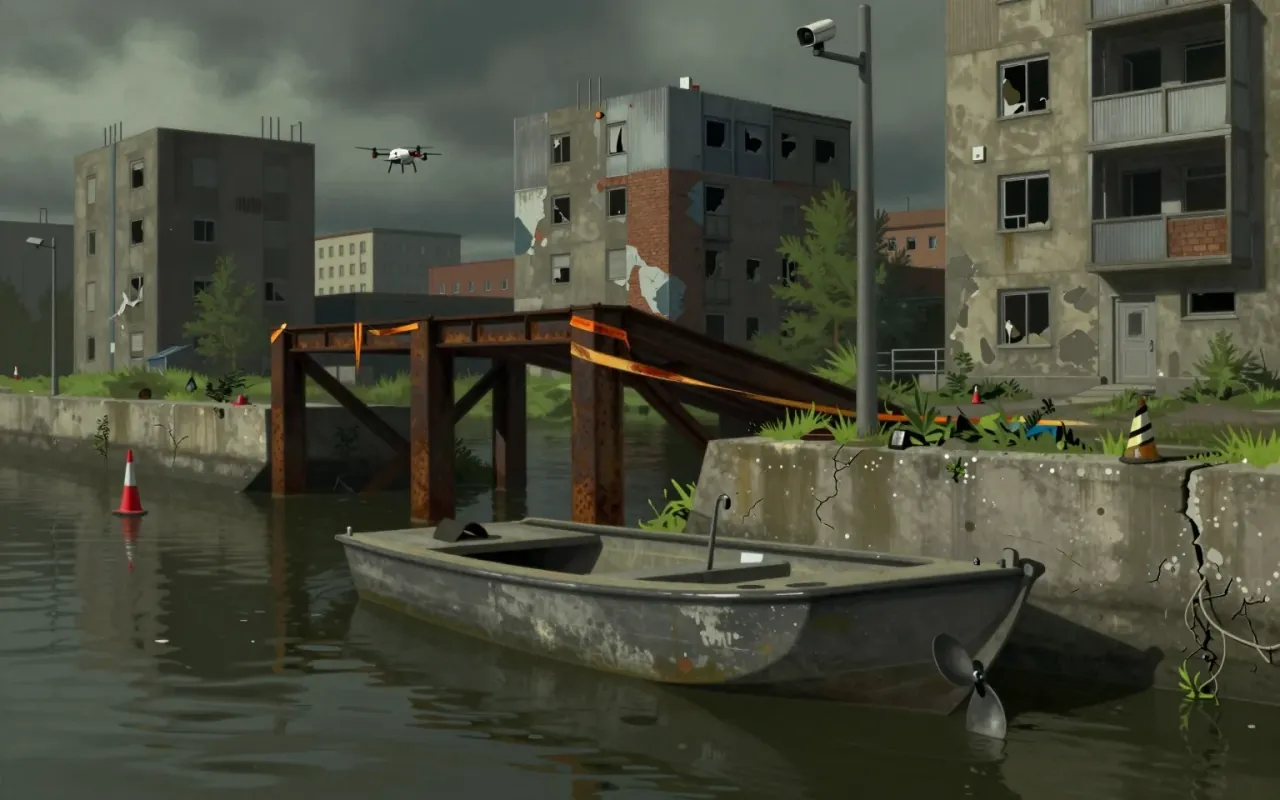
Half-Life 2 is a 2004 first-person shooter by Valve. It is played from Gordon Freeman’s perspective in a linear campaign combining combat, exploration, puzzle-solving, platforming, and scripted sequences. Its core innovation is the gravity gun, which lets the player pull and throw objects to solve puzzles and fight. The game maintains seamless transitions between modes and integrates physics-based interaction throughout.

Hollow Knight is a 2D side-scrolling Metroidvania. The player controls a silent insectoid warrior exploring the underground fallen kingdom of Hallownest. Core gameplay involves attacking enemies with a sword-like Nail, gaining Soul from combat to fuel abilities like Focus (mask regeneration) and offensive spells, and using Soul for charm-based boosts. Hit points are represented by masks; losing all masks results in death and spawns a Shade at the death location, marked on the map. The game features nonlinear exploration, ability-gated progression, fast travel via Stag Stations, and a charm system that consumes limited charm notches. It was developed and published by Team Cherry, released first on Linux, macOS, and Windows.

Ico is a third-person action-adventure built around protecting and guiding Yorda through an abandoned castle. Its minimalist design removes UI, dialogue, and combat options for Yorda — making her presence a structural necessity, not a narrative flourish. The player jumps, climbs, pushes, pulls, and lifts — always in service of moving her forward. The fixed camera follows both characters, panning slightly to reveal environment. Light is overexposed and desaturated. Story is minimal and told in fictional languages. Mechanics were conceived before story.
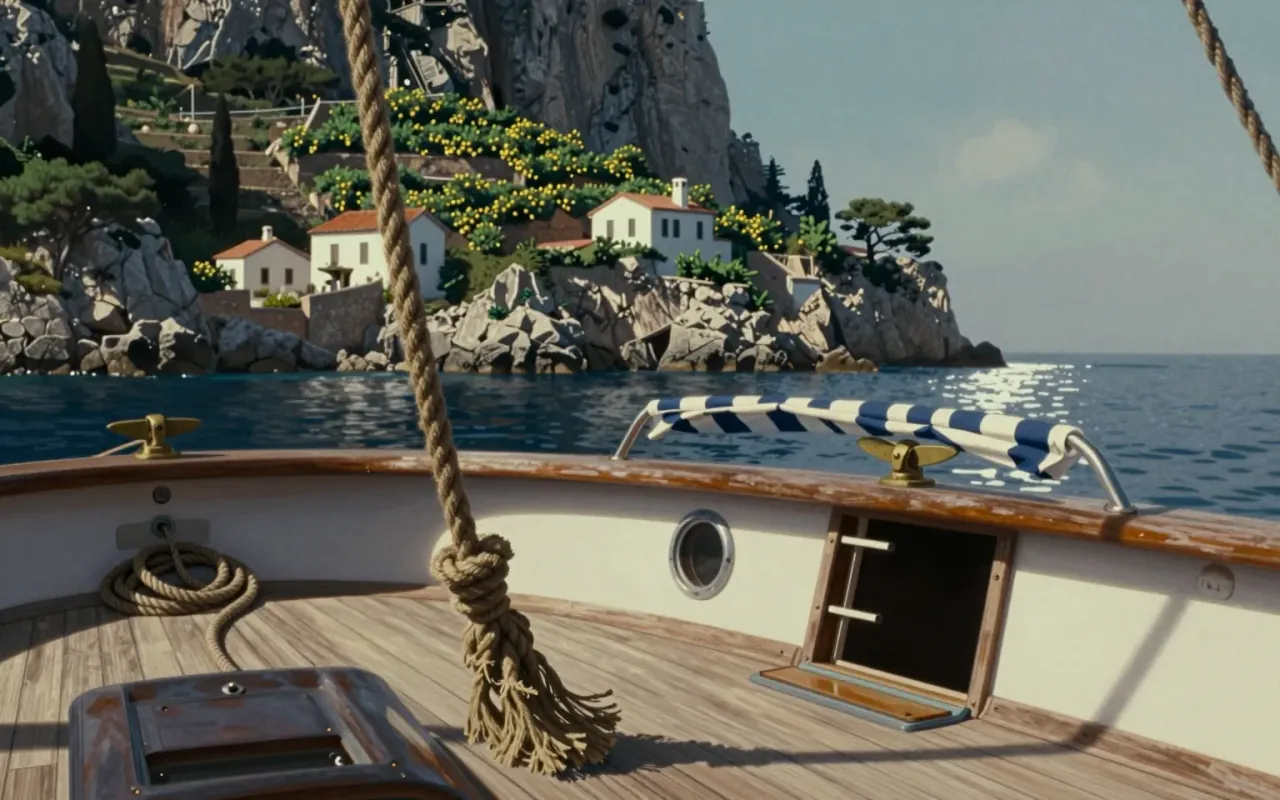
Jet Set Willy is a flip-screen platformer where Miner Willy cleans his mansion after a party, navigating 60 rooms to collect glowing items. It abandons linear progression for open exploration, uses only left/right/jump controls, and punishes errors with room-reset deaths that cascade. Its design prioritises memory and timing over fairness or recovery.
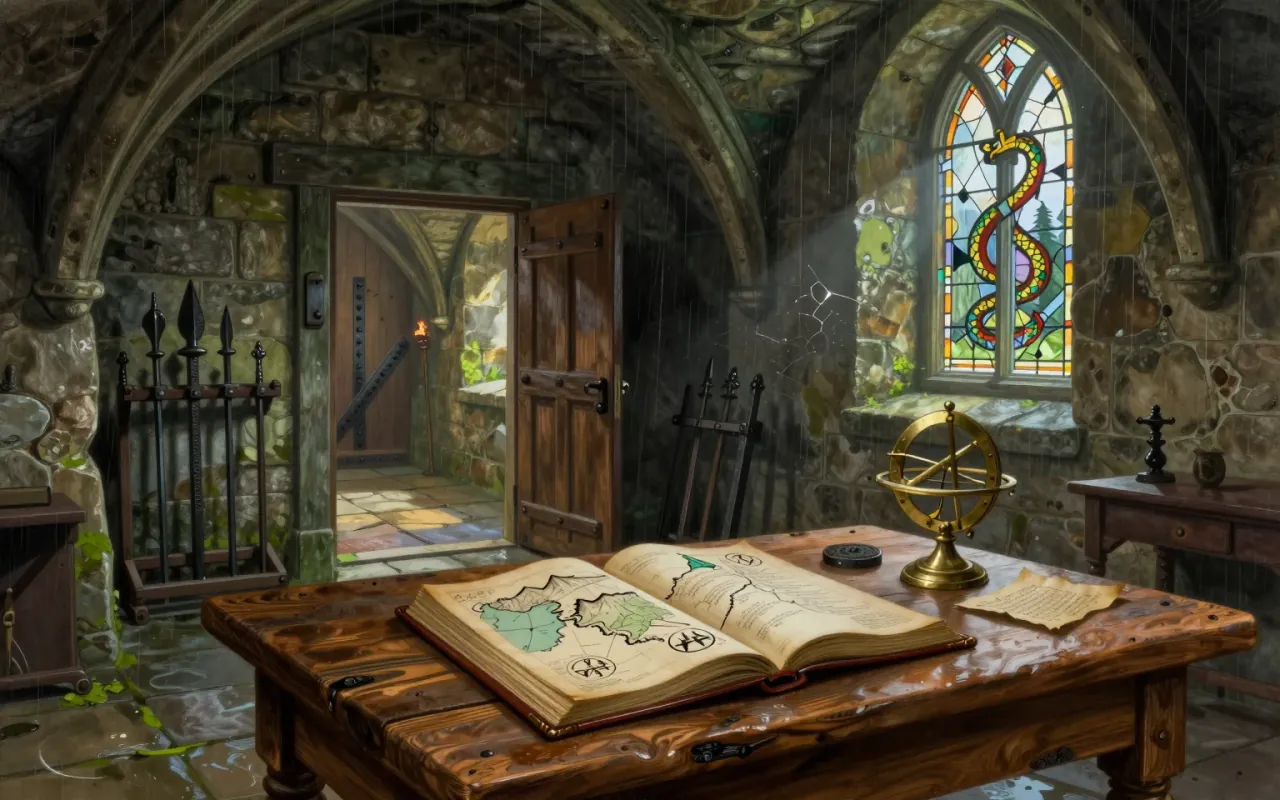
King’s Field III is a foundational FromSoftware RPG from 1996 that prioritises scale and slow-paced first-person exploration over responsiveness. Its overground world is vast. Its combat is lethargic — a melee round against a low-level creature can last up to five minutes. Players teleport between cities via a map screen. It follows King’s Field II (1996) and precedes Echo Night and Shadow Tower (1998). It was developed and published by FromSoftware for PlayStation.
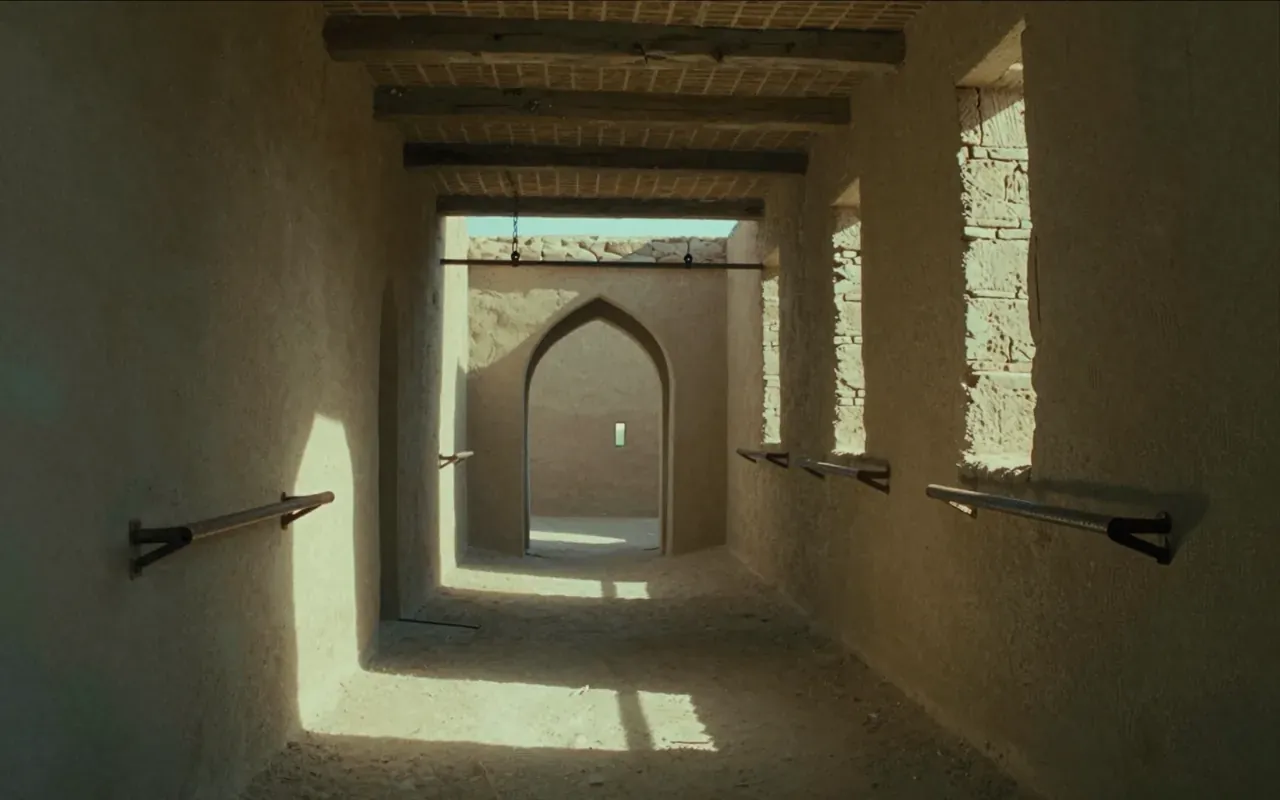
Lode Runner is a tightly wound logic puzzle game built around a single, elegant mechanic: digging temporary holes to trap guards, then walking over them before they fill. It demands precision, foresight, and tolerance for opaque enemy behaviour. Its 150 levels escalate cleanly, and its shipped level editor made player authorship part of the core experience. It belongs to the Apple II era—not just chronologically, but architecturally.
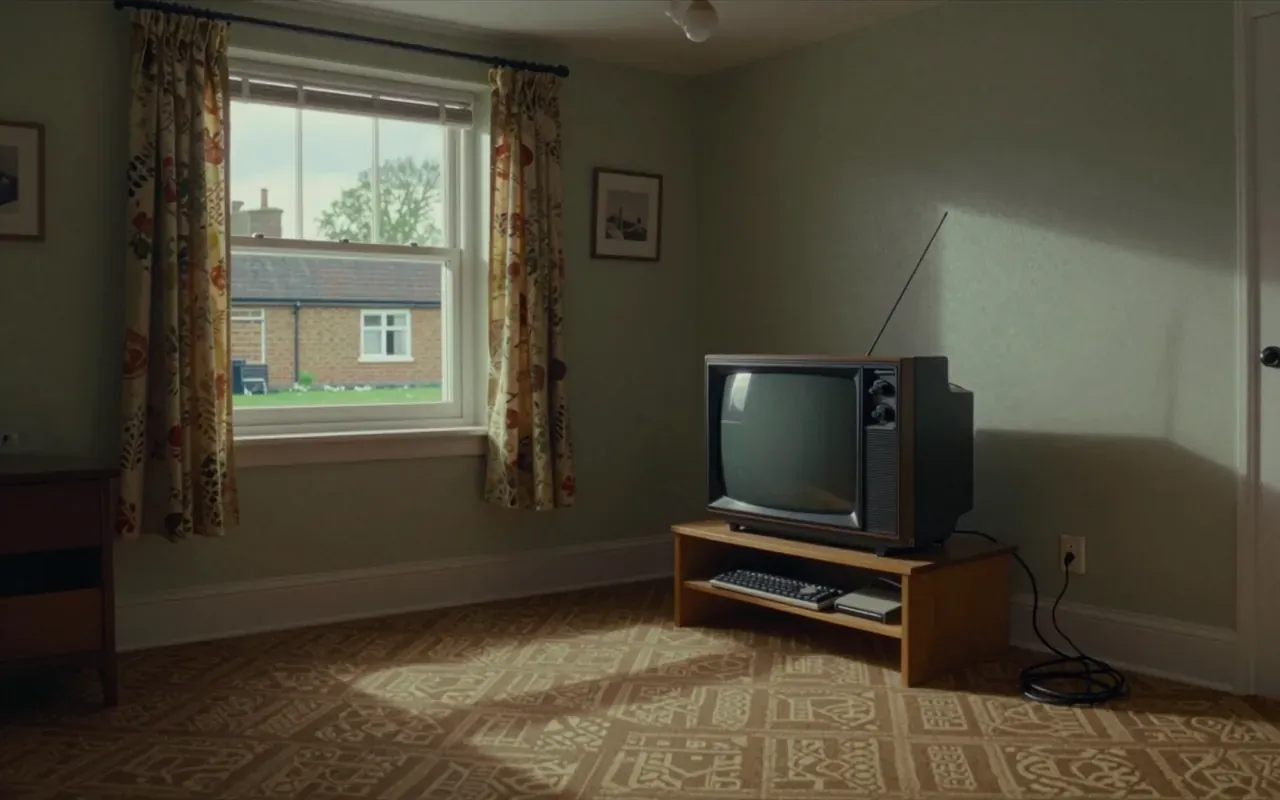
Manic Miner is a foundational platformer defined by constraint: fixed screens, fixed enemies, fixed timing, fixed reset. Its influence is historical. Its play is mechanical. Its value lies in how cleanly it exposes the grammar of the genre—before power-ups, before scrolling, before mercy.
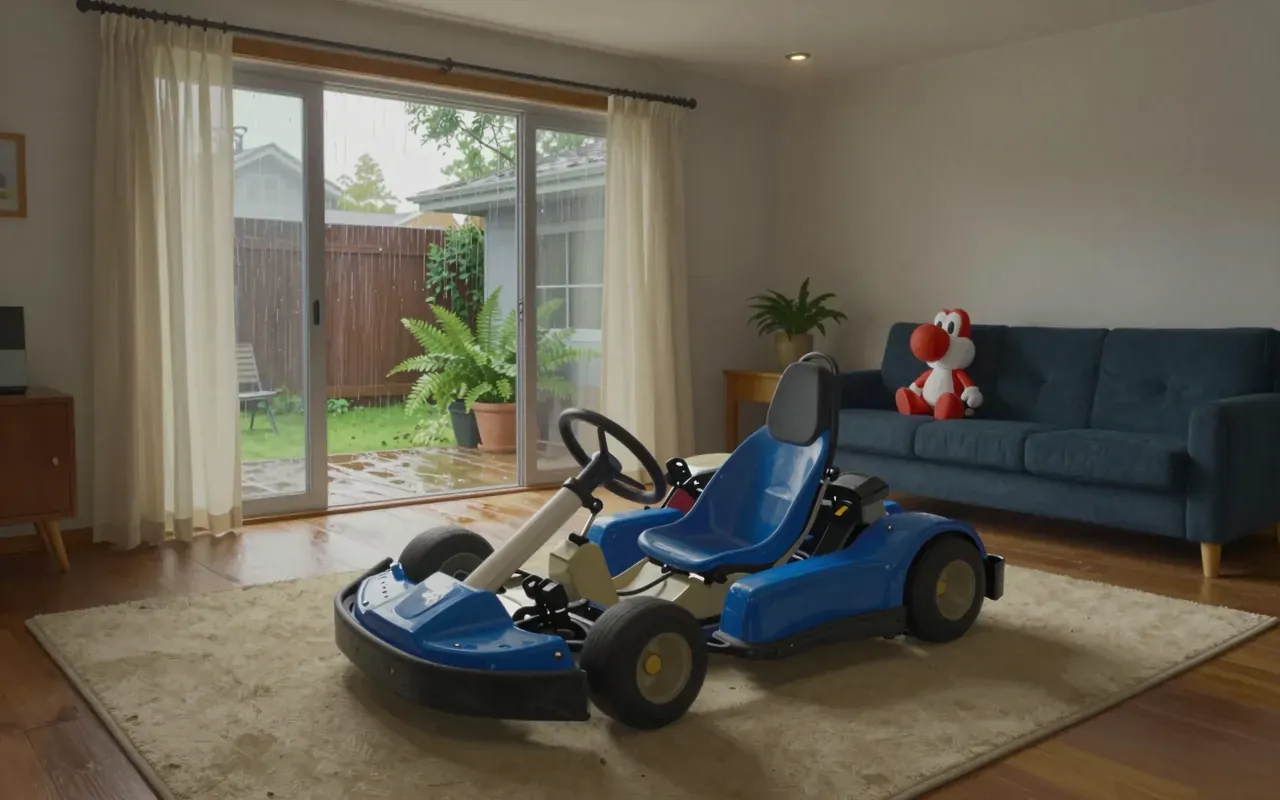
Mario Kart 8 is a polished, accessible, and relentlessly social racing game built for short bursts and local chaos. Its anti-gravity gimmick adds spectacle but not substance. Its strength is in consistent, responsive feedback — not innovation.
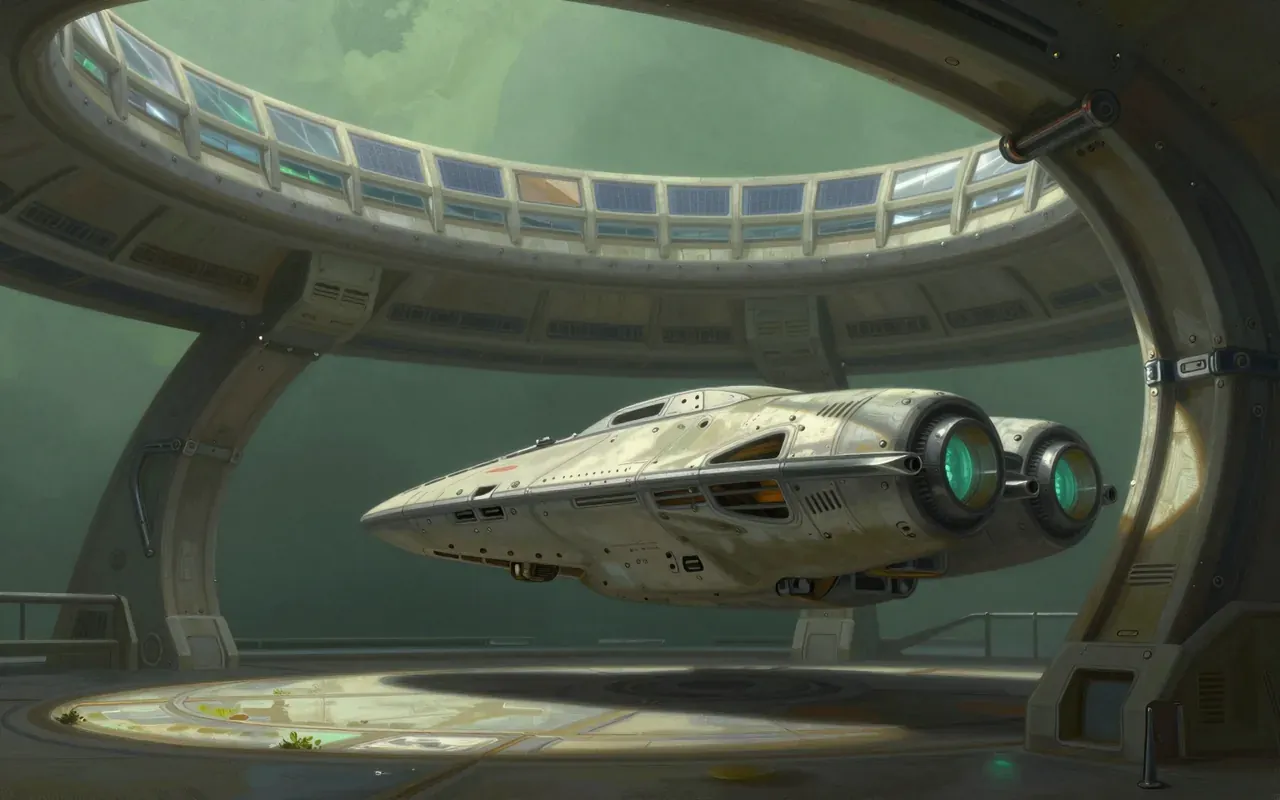
Mass Effect 2 is a tightly authored, choice-driven action RPG that prioritises narrative consequence and squad loyalty over systemic freedom. Its strength lies in how imported choices reshape the story, how class design shapes combat, and how the galaxy map serves plot—not exploration. It asks players to commit to a single, high-stakes arc. It withholds open-ended world interaction, real-time loadout flexibility, and non-linear quest resolution.
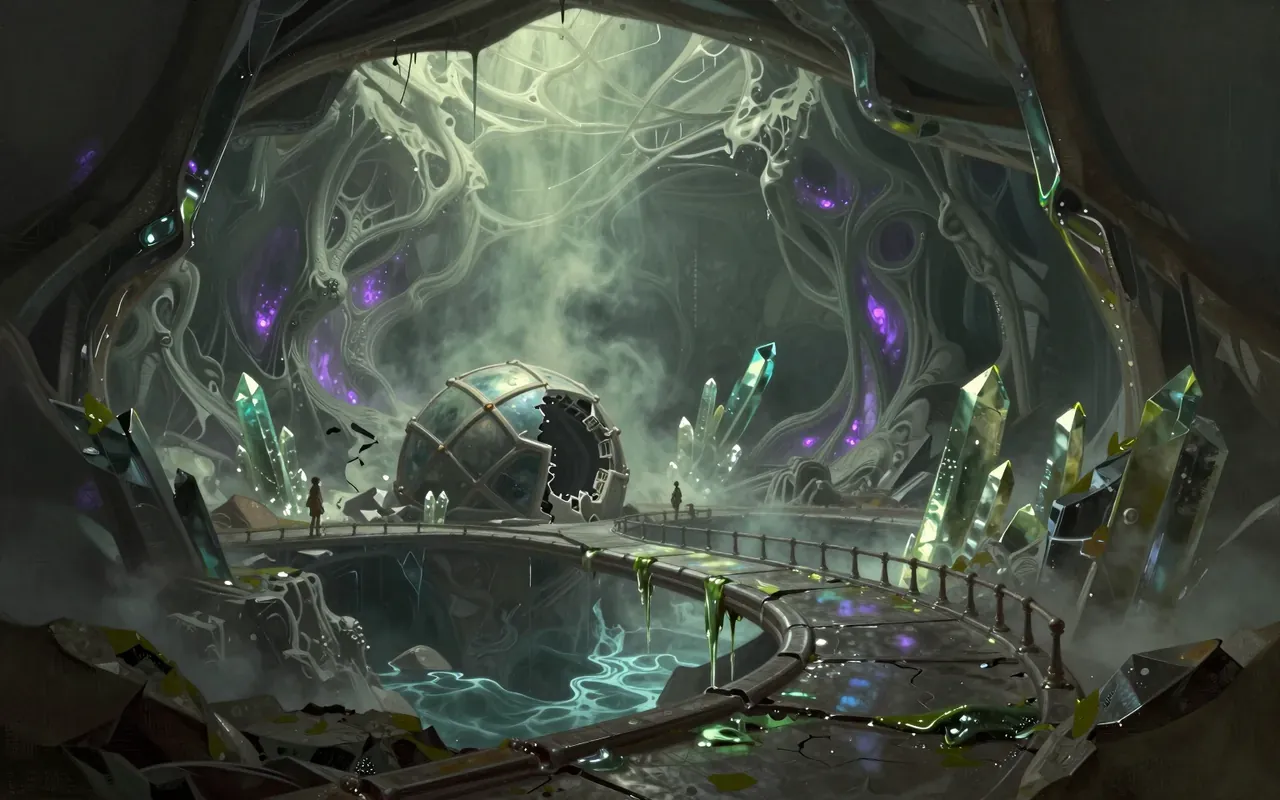
Metroid Prime redefined what a 3D adventure could be — not through spectacle, but structure.
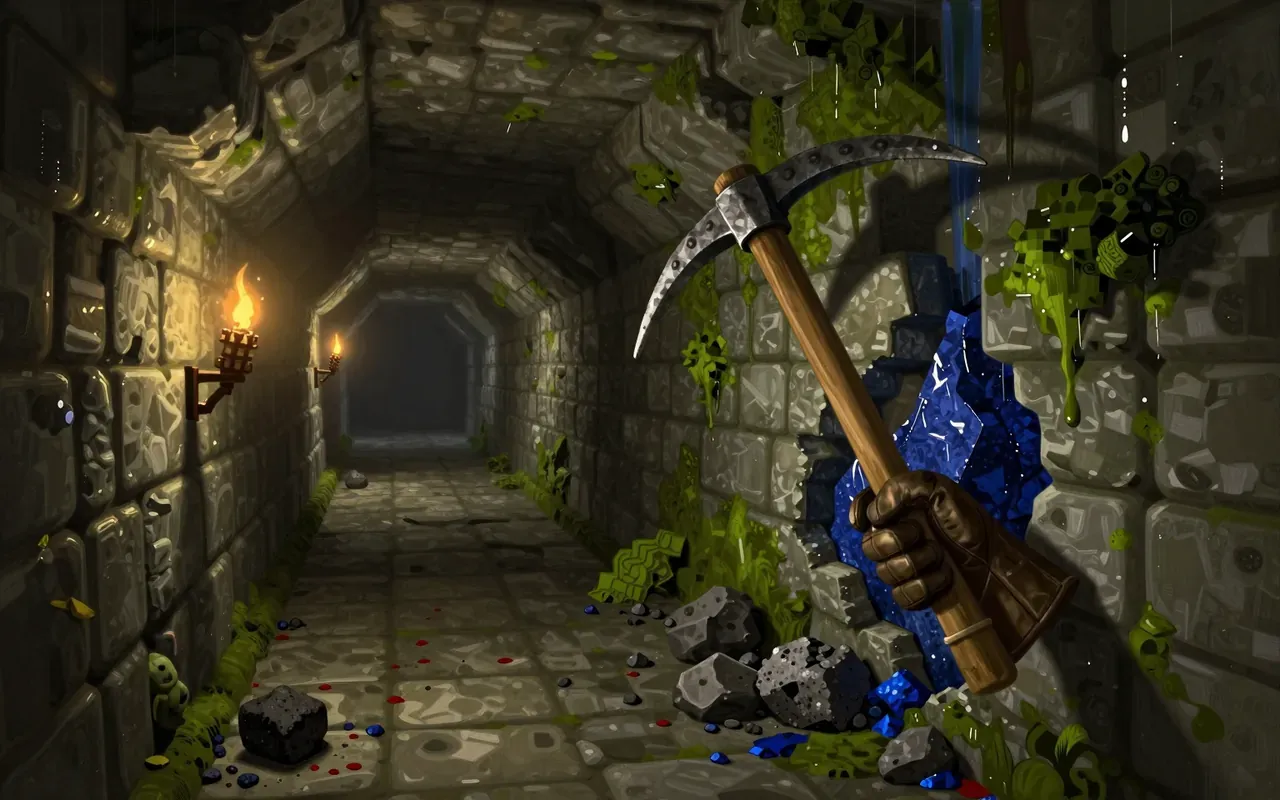
Minecraft is a sandbox and survival game developed by Mojang Studios. Its first alpha version was released on 17 May 2009. It began as a clone of Infiniminer.
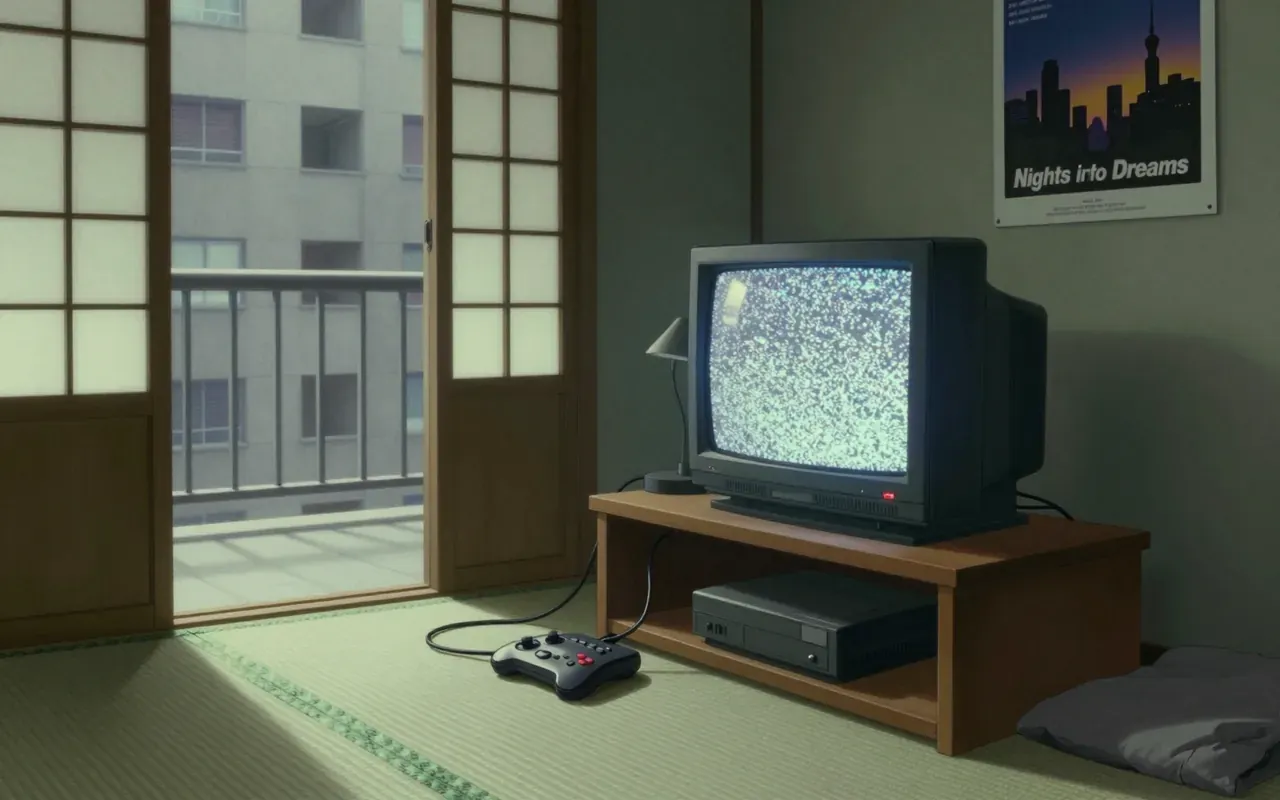
Nights into Dreams is a Saturn-exclusive action game where players alternate between timed ground navigation and fixed-path 3D flying to recover stolen Ideyas and defeat Wizeman.
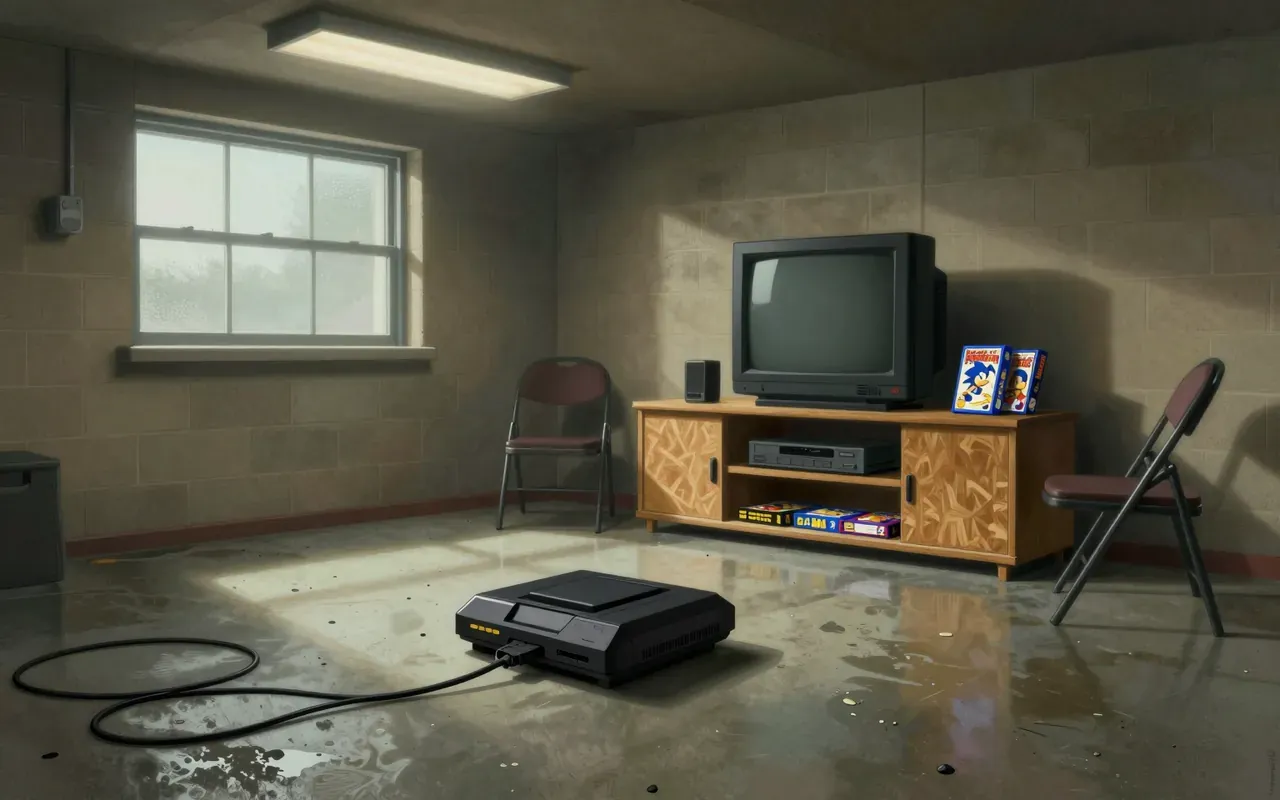
Phantasy Star IV is a linear, story-driven RPG on the Sega Genesis. It uses turn-based combat, level-based progression, Technique-based magic, and combination attacks. Its manga-style panels and expanded script distinguish it within the series. Only 14 of 15 combination attacks function. Developed internally by Sega’s Consumer Development division, it belongs to Sega’s multi-million-selling Phantasy Star franchise.
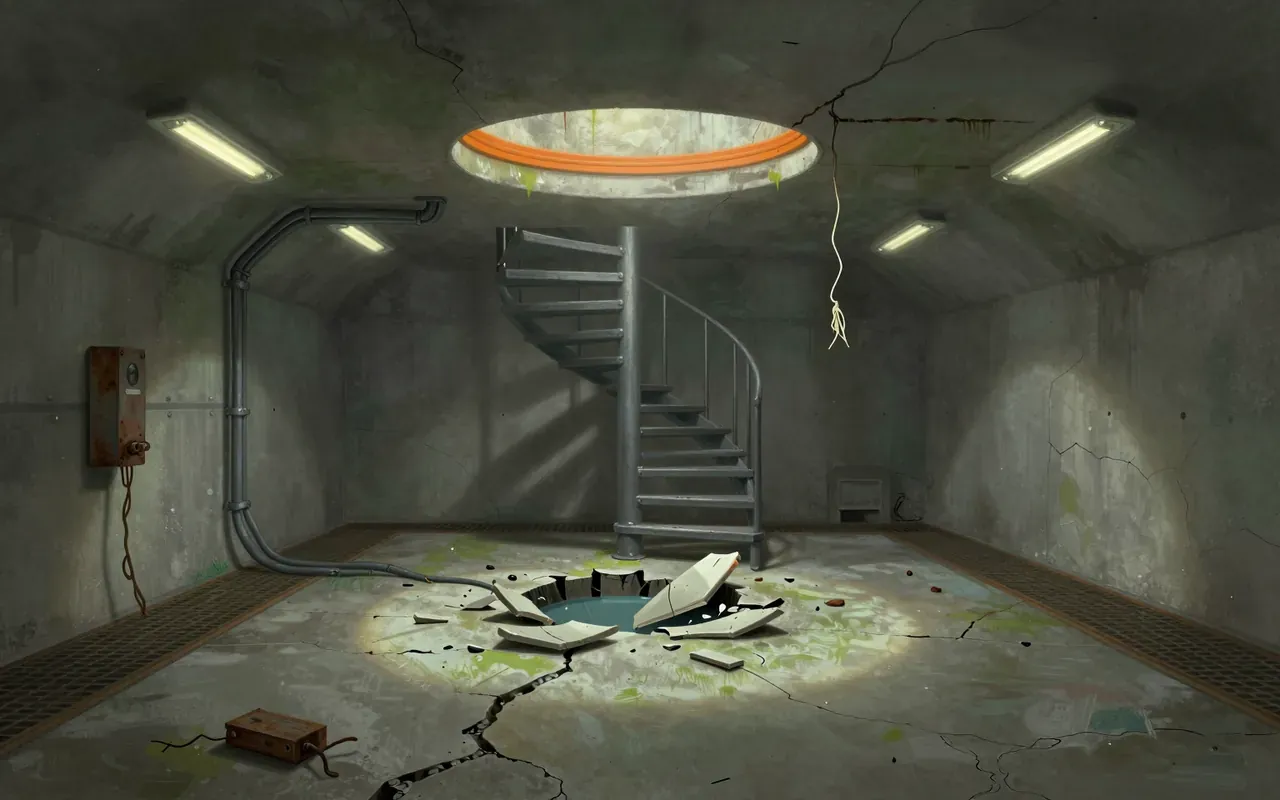
Portal 2 is a first-person puzzle-platform game developed by Valve and released in 2011. It builds on the original Portal's portal-gun mechanic with new tools—gels, lasers, tractor beams, and launch plates—and introduces cooperative play with two robot characters. All gameplay occurs in discrete test chambers inside the decaying Aperture Science facility.
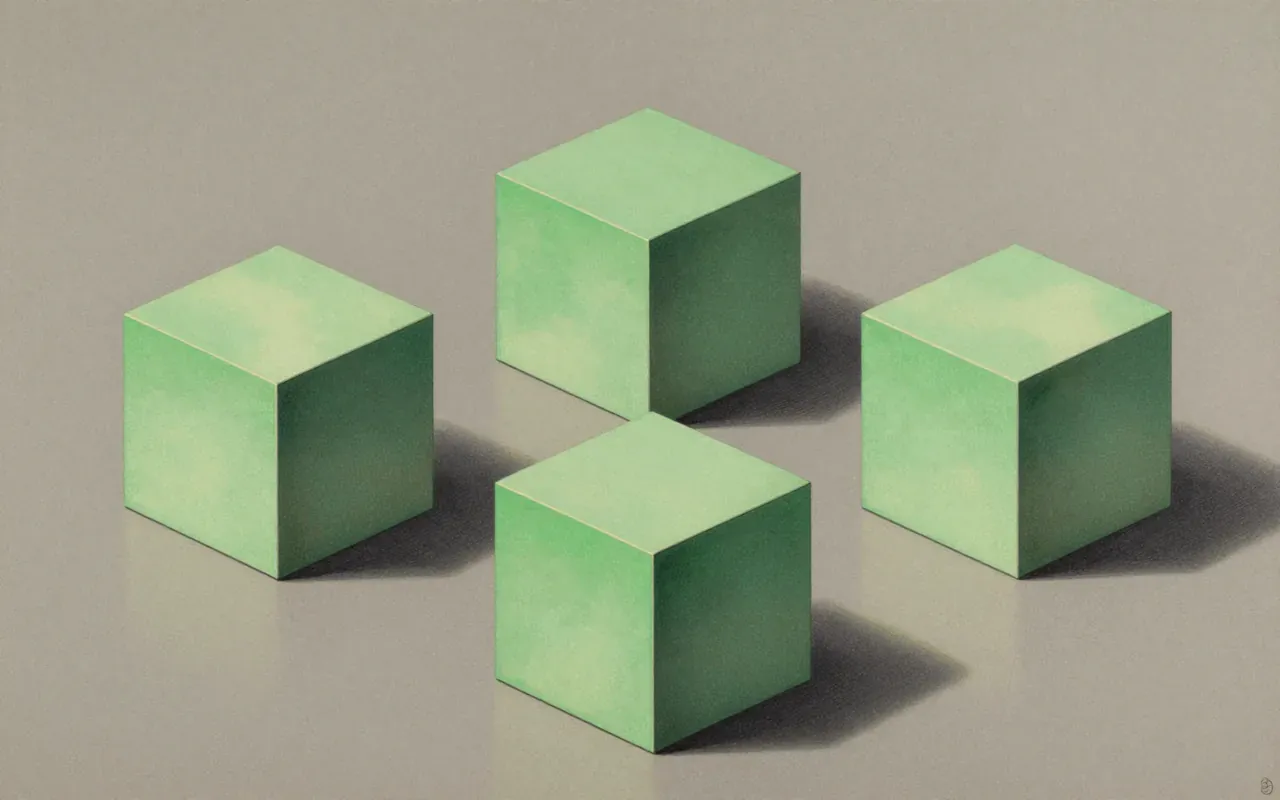
Q*bert is a 1982 Gottlieb arcade action-puzzle game where players use a diagonally mounted four-way joystick to hop Q*bert across a 28-cube pyramid, changing each cube’s colour by landing on it — with escalating rules per level — while avoiding deadly purple enemies, neutralising green enemies on contact, and surviving falls off the pyramid.

Red Dead Redemption is a third-person, open-world action-adventure game developed by Rockstar Games using the Rockstar Advanced Game Engine (RAGE). It is set in fictionalised versions of the Western United States and Northern Mexico—specifically the regions of New Austin, West Elizabeth, and Nuevo Paraíso. Players control John Marston through linear story missions, then his son Jack in the epilogue. Core gameplay revolves around horse travel, Dead Eye–enhanced gunfights, a morality-based Honor/Fame system, dynamic random events, and a bounty mechanic triggered by crimes. An online multiplayer mode supports up to 16 players in cooperative and competitive modes set in a recreation of the single-player world.
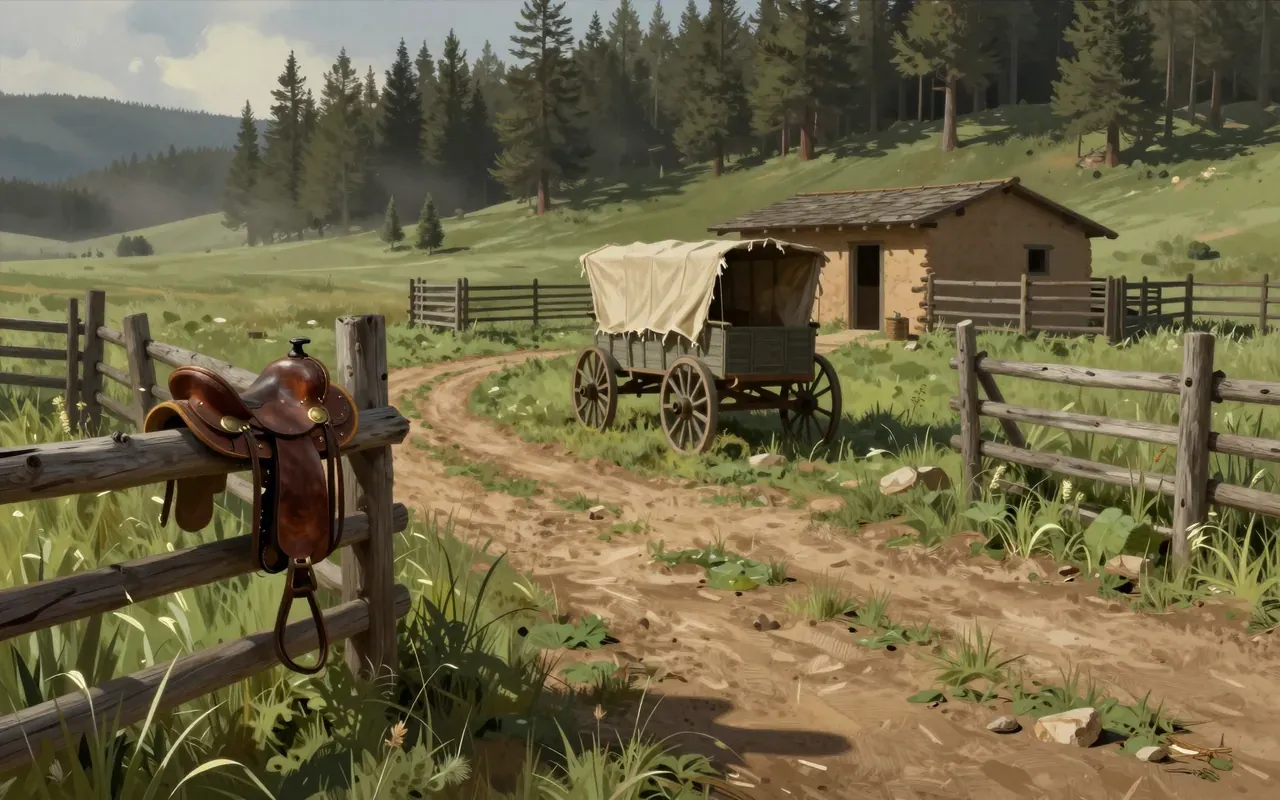
Red Dead Redemption 2 is a meticulously simulated Western world built on procedural consequence — not player authorship.

Resident Evil 2 is a third-person survival horror game released by Capcom in 1998. It is the second entry in the Resident Evil series, which launched in 1996. Players control either Leon S. Kennedy or Claire Redfield as they attempt to escape Raccoon City during a zombie outbreak caused by a biological weapon. Gameplay revolves around exploration, puzzle-solving, and combat under strict resource constraints—including limited ammunition and tight inventory space. Tank controls govern movement independently of camera angle. Health is communicated visually through character posture and gait rather than numerical indicators. The Zapping System links the two protagonists’ scenarios, creating four distinct playthroughs. Safe rooms serve as the only locations for saving and item storage.
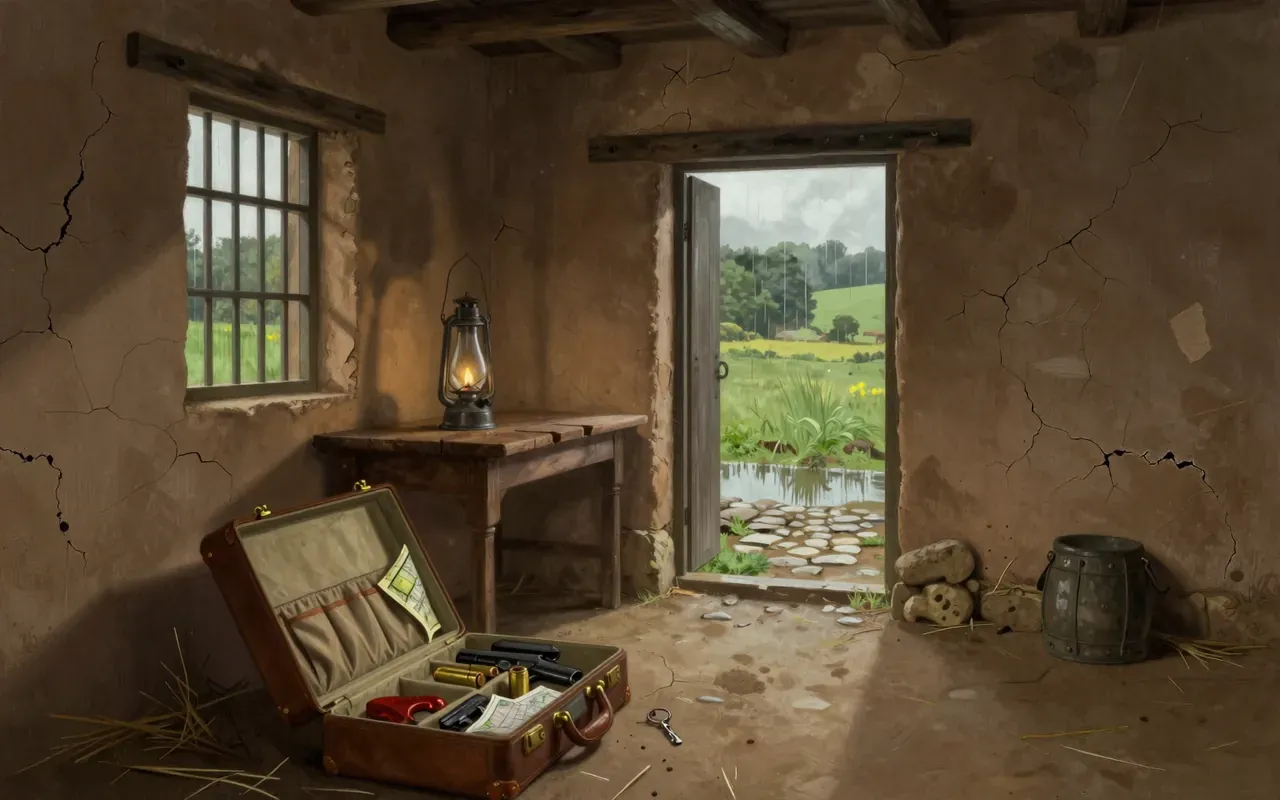
Resident Evil 4 (Capcom, 2005) is a GameCube action-horror title in which Leon S. Kennedy rescues Ashley Graham from a cult in rural Spain. It replaces fixed camera angles and slower pacing with dynamic over-the-shoulder shooting, laser-sighted aiming, limb-targeted combat, context-sensitive environmental interaction, and quick time events. It received universal acclaim and was a financial success for Capcom, leading to ports across multiple systems.
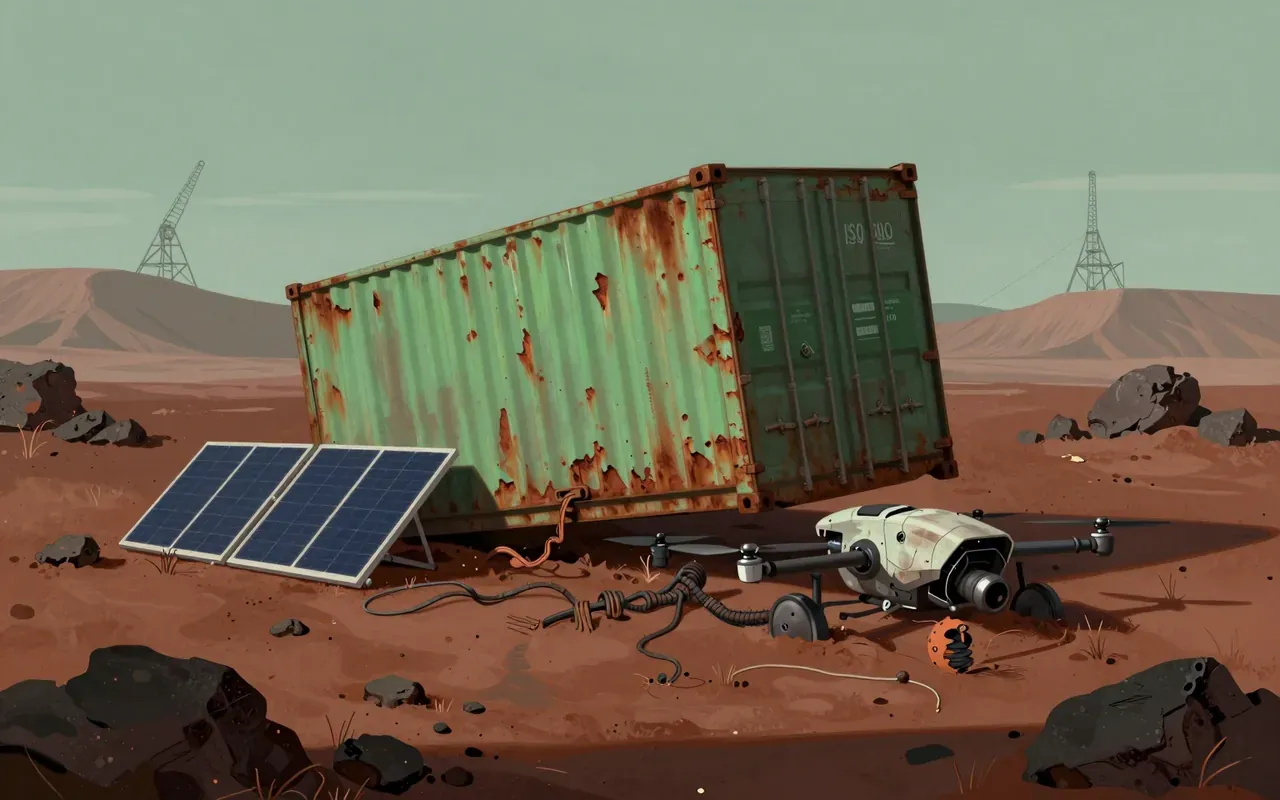
RimWorld is a construction and management simulation game developed and published by Ludeon Studios for Windows, macOS, and Linux. It functions as a story generator driven by procedural 'storyteller' algorithms that select events to shape narrative experiences. Players oversee stranded colonists on a procedurally generated planet, forming and sustaining a colony while managing survival needs, mental stability, and external threats. Colonists are task-driven rather than directly controlled, and the game ends via spaceship construction, AI-assisted ship recovery, or DLC-specific endings. Events scale in difficulty and are influenced by configurable storyteller modes and difficulty presets.
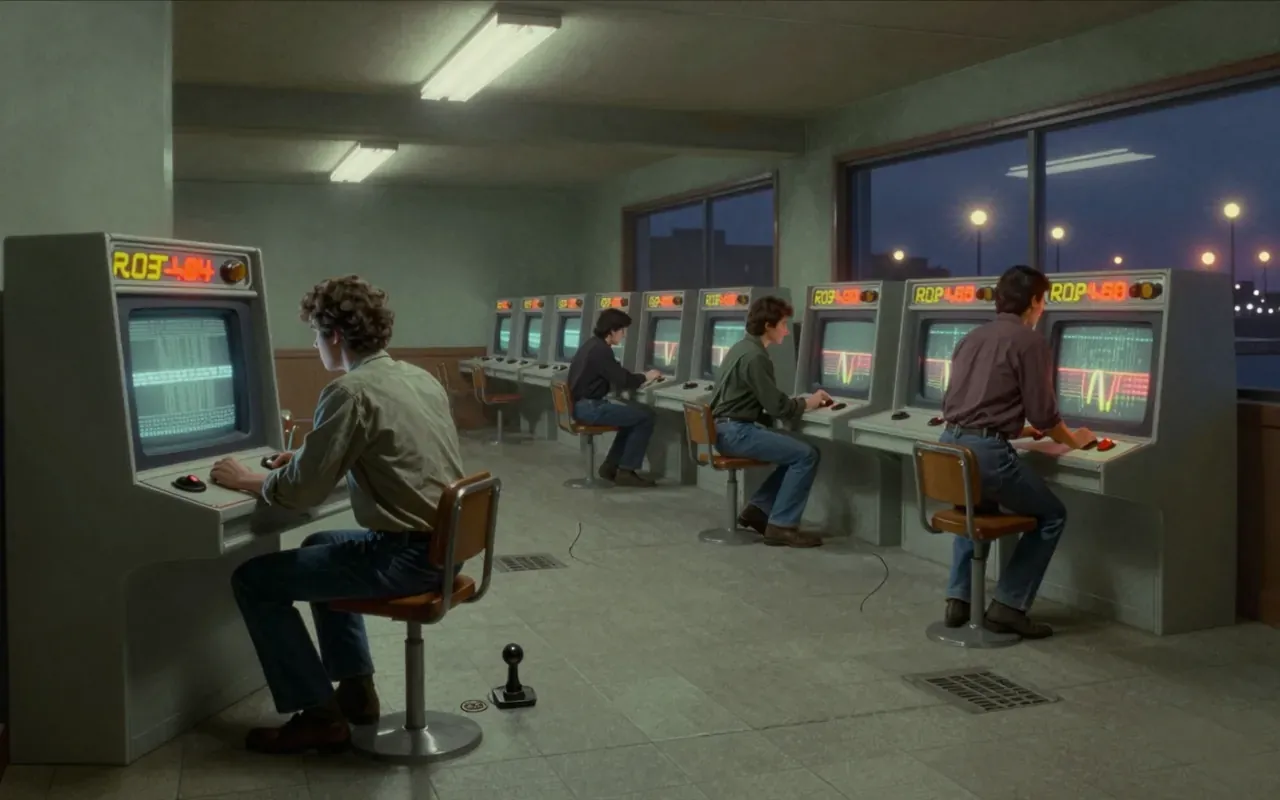
A foundational twin-stick shooter that replaces rhythm with reflex, structure with surge, and progression with persistence.

Sekiro: Shadows Die Twice is a 2019 action-adventure game developed by FromSoftware. Players control Wolf, a shinobi on a quest to rescue his lord Kuro. Gameplay focuses on stealth, exploration, and combat—with particular emphasis on boss battles. It is played from a third-person perspective. Compared to FromSoftware's Dark Souls series, Sekiro features fewer role-playing elements, lacks character creation and the ability to level up a variety of stats, and has no real-time multiplayer elements. It does include gear upgrading, special abilities with a prosthetic arm, a skill tree, and limited ability customization. Combat revolves around using a katana to attack enemy posture and balance, deflecting incoming attacks to create openings for a single killing blow. Stealth allows players to instantly eliminate or severely damage most enemies if they can get in range undetected. Sekiro is part of the Soulslike subgenre defined by high difficulty and environmental storytelling. Hidetaka Miyazaki directed the game.
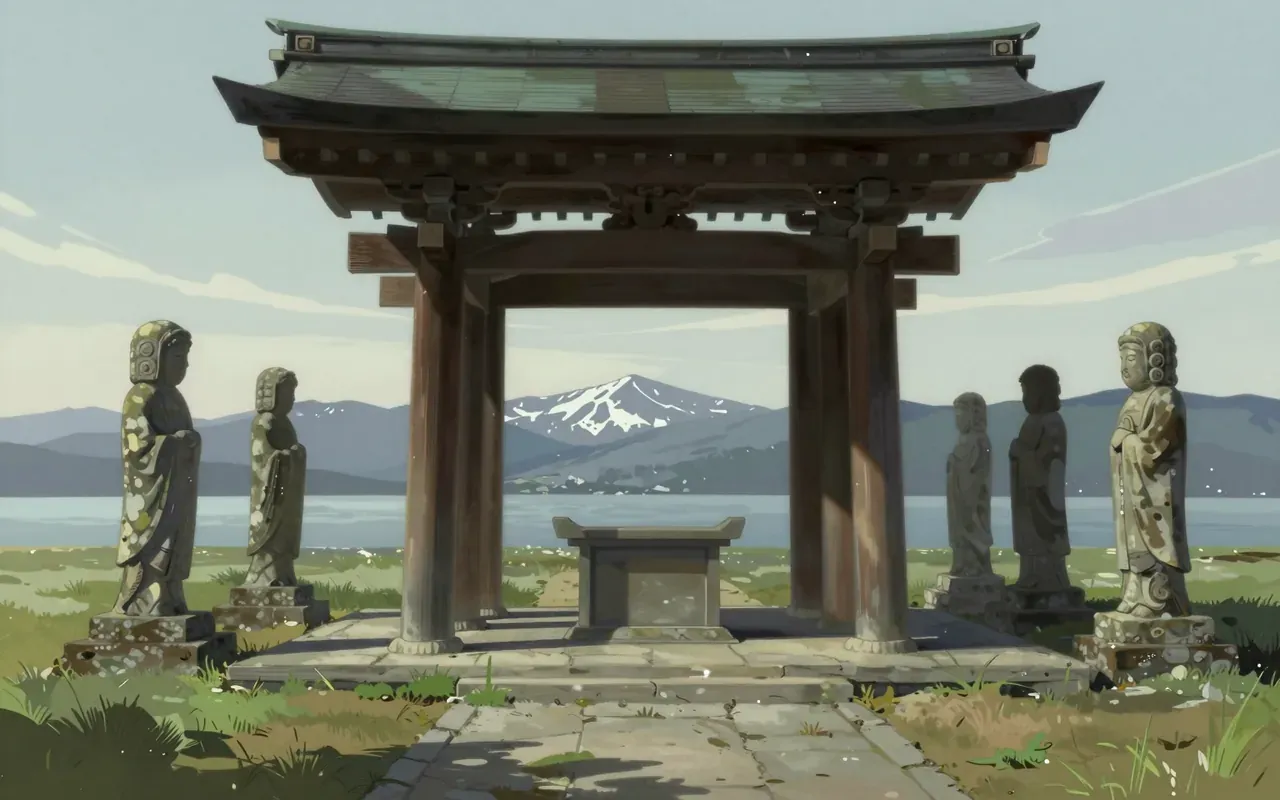
Shadow of the Colossus is a third-person action-adventure built around sixteen large-scale boss encounters in a seamless open world. It was directed and lead-designed by Fumito Ueda at Sony Computer Entertainment’s Japan Studio. Its structure is cyclical, minimal, and mechanic-first—designed under PlayStation 2 hardware constraints that forced reduction: from 48 planned colossi to 16, and no day/night cycle.

Silent Hill 2 is a 2001 survival horror game developed by Team Silent within Konami Computer Entertainment Tokyo. It uses third-person perspective, no HUD, light-dependent maps, manual annotation, and environmental progression to frame James Sunderland’s search for his deceased wife as an act of psychological excavation.

SimCity 2000 replaces top-down abstraction with isometric spatial logic, adds elevation and underground layers, and expands infrastructure choice—but offers no deeper explanation of how its systems connect. It rewards experimentation, not mastery.
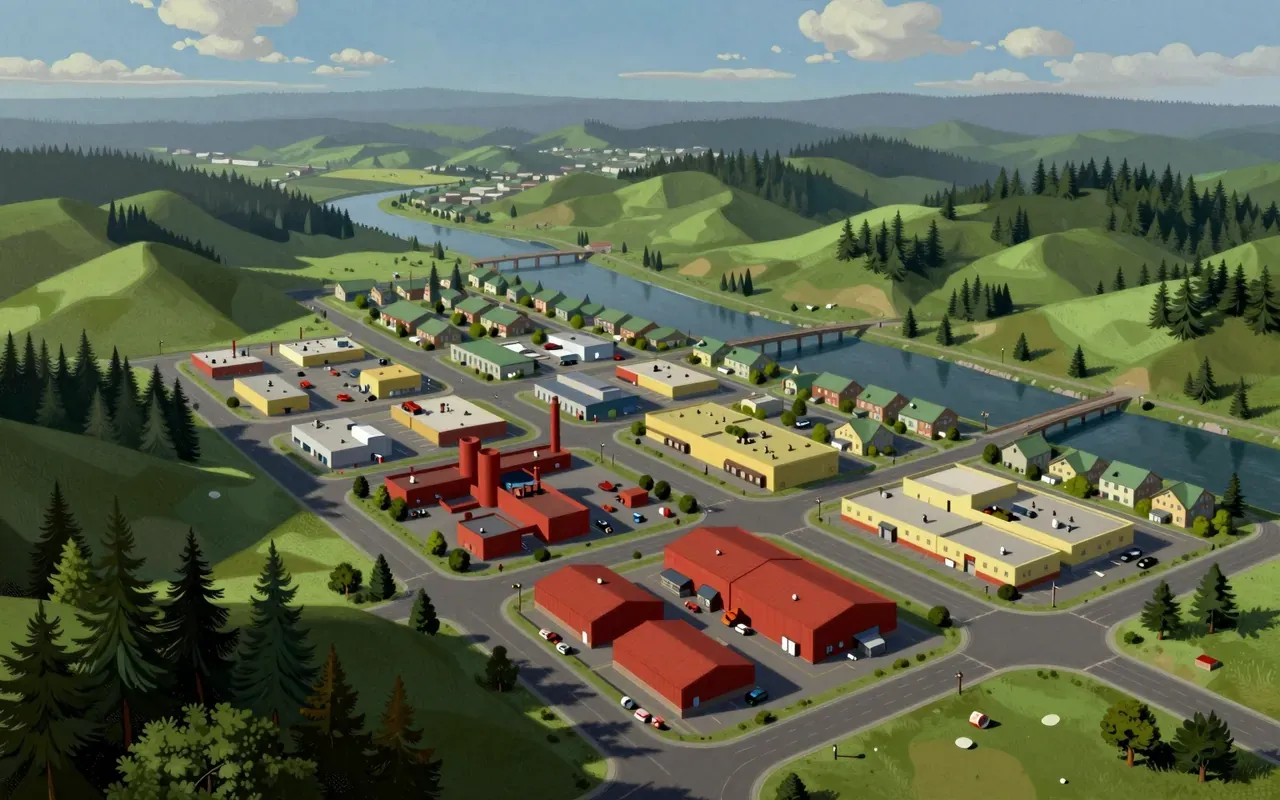
SimCity 3000 refines the city simulation loop with decay, density, and deal-making — but never asks why the city exists, only how to keep its accounts balanced.
Sinistar is a 1982 Williams Electronics arcade shooter where the player collects crystals from planetoids to build Sinibombs, using them to destroy Sinistar — a demonic skull-faced spacecraft constructed by red worker ships and guarded by warrior ships. It was not widely ported to home systems. It followed Defender (1981) and Stargate (1981), and sits alongside Joust and Robotron: 2084 as one of Williams’ popular and influential titles.
Sonic the Hedgehog 2 is a side-scrolling platformer released on the Sega Genesis. It tasks the player with stopping Doctor Robotnik from stealing the Chaos Emeralds to power the Death Egg. It introduces Tails as a controllable sidekick and the spin dash as a core mobility tool.
Sonic the Hedgehog 3 is a 1994 Genesis/Mega Drive 2D side-scrolling platformer. It features Sonic and Tails across six zones (each with two acts), introduces Knuckles as an antagonist, and expands narrative through visual cutscenes. Players control Sonic while Tails runs alongside; a second player may join at any time to control Tails separately. Players may also play as Sonic or Tails alone. Tails can fly briefly by spinning his tails like a helicopter rotor. Unlike Sonic, Tails can also swim underwater. Levels are populated with 'Badniks', robots created by the villain, Dr. Robotnik; Sonic and Tails can defeat them by jumping on them or using the 'spin dash' attack, which also gives the character a speed boost. The levels include obstacles and other features such as vertical loops, corkscrews, breakable walls, spikes, water that the player can drown in, and bottomless pits.

Sonic Adventure is the first main Sonic game built for 3D — and the Dreamcast’s launch title.
Sonic & Knuckles is a 1994 Sega Genesis platformer developed by Sega Technical Institute. Players choose Sonic or Knuckles to traverse six side-scrolling levels on Angel Island, each with two acts ending in miniboss and boss fights. Sonic jumps higher and uses shields; Knuckles glides and climbs walls. Cutscenes differ by character, reflecting their adversarial relationship. Bonus stages activate at checkpoints with 20+ rings — one involves orbiting glowing spheres while avoiding a rising light fence; the other is a bouncing slot-machine room.
Sonic the Hedgehog (1991) is a speed-first 2D platformer built to define Sega’s identity against Nintendo. Its loop is acceleration → memorised path → consequence of misstep → rapid recovery. It asks for repetition, not explanation. It rewards anticipation, not reaction. It is not generous. It is specific.
Space Hawk is a 1982 Intellivision multidirectional shooter where survival in drifting outer space is the sole objective.
Space Invaders is a fixed shooter arcade game developed by Taito in 1978. The player controls a horizontally moving Laser Base at the bottom of the screen and fires upward at descending alien invaders arranged in five rows of eleven. Aliens move as a group, descending one step when hitting screen edges. The game ends immediately if any alien reaches the bottom — regardless of remaining lives. Aliens fire back; hits cost lives. Stationary bunkers provide partial cover but degrade from both alien and player fire. Movement and music accelerate as invaders are eliminated. Clearing all triggers a new wave starting lower. A mystery ship occasionally crosses the top for bonus points. It was Taito's most popular title and the most popular arcade game in history, beginning the golden age of arcade video games and contributing significantly to the growth of video games in the late 1970s.
Spy Hunter is a 1983 Midway arcade game. It is a vertical scrolling, top-down vehicular combat game where the player drives the G-6155 Interceptor sports car as a spy. The player uses a yoke, pedal, and gearshift to steer and control speed. The car has a machine gun with unlimited ammunition fired by pressing and holding a yoke button. Enemy vehicles—including a bomb-dropping helicopter—try to destroy the player's car or force it off the road. A score counter increments while the car is moving and on the road. Additional points are earned by destroying enemy vehicles using weapons or forcing them off the road.
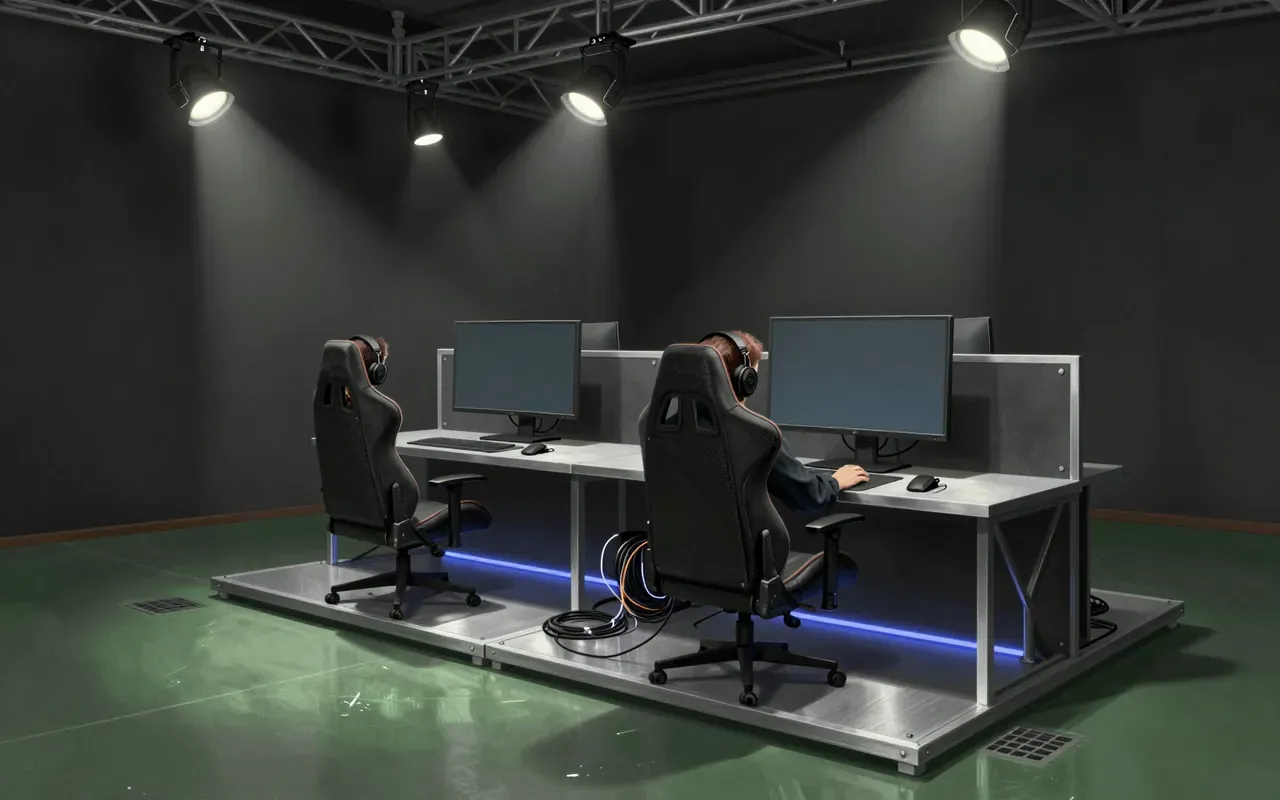
StarCraft II is a real-time strategy game developed and published by Blizzard Entertainment for Windows and Mac OS X. Players act as military commanders for one of three species across single-player campaigns and multiplayer modes. Versus mode supports team sizes from 1v1 up to 4v4. Player skill is ranked in regional ladders divided into bronze through grandmaster leagues. Archon mode allows multiple humans to jointly control one player's forces in a 1v1 match. Co-op mode pairs two players against AI-controlled opponents, each commanding a unique hero commander. Commanders level up across co-op matches, unlocking upgrades and abilities that alter future gameplay. Mutations are optional modifiers that alter co-op missions with increased difficulty and chaotic effects.

Stardew Valley is a top-down, open-ended farm life simulation where players inherit a dilapidated farm from their deceased grandfather, leave a corporate job, and rebuild life near Pelican Town in Stardew Valley.
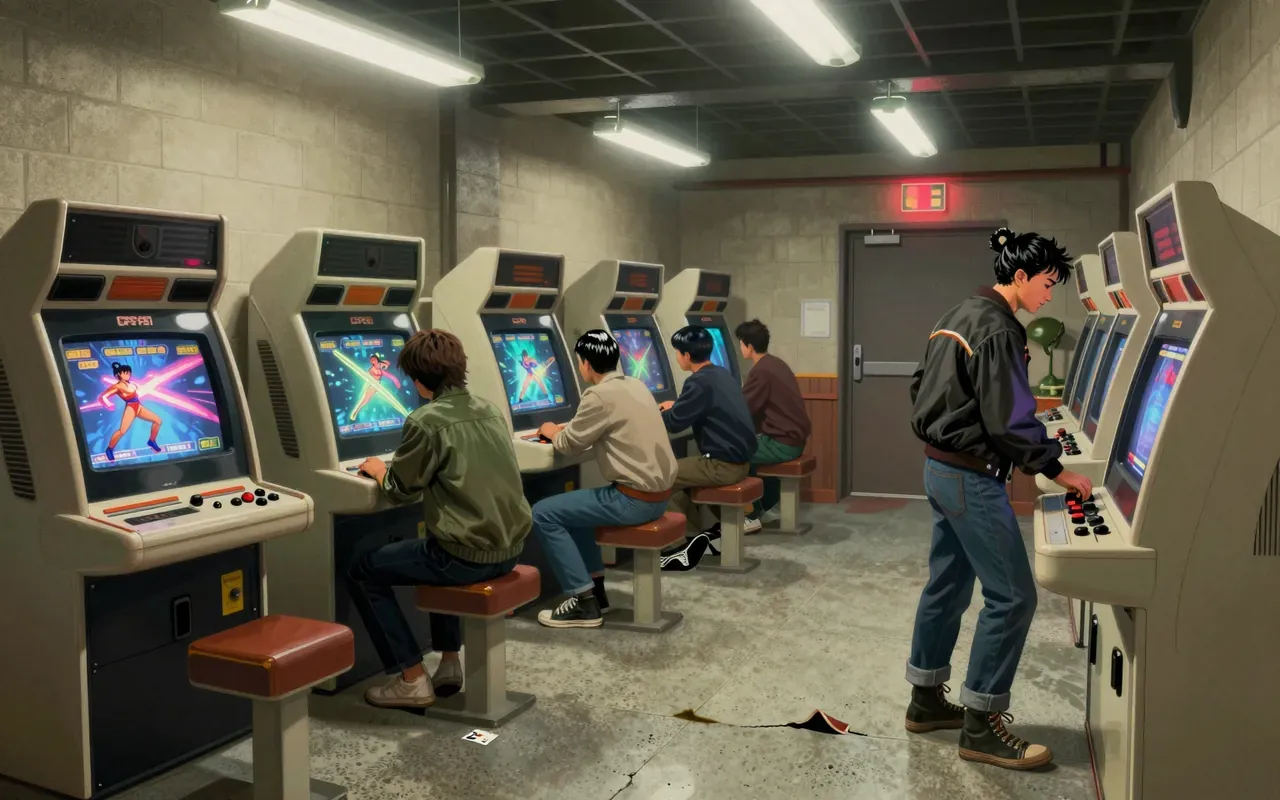
Street Fighter II (Capcom, 1991) is a timed, one-on-one, close-quarters combat fighting game. Players win rounds by depleting an opponent's health bar or having more health when time expires. Matches are best-of-three rounds. The original arcade version allows up to 10 rounds per match. A second player can join mid-single-player to trigger head-to-head play. Every third single-player match includes a bonus stage involving destruction of objects for points. Draws result in computer victory (single-player) or mutual loss (two-player). It is part of the Street Fighter franchise — one of Capcom's flagship franchises and among the most popular fighting game series in the genre.
Street Fighter IV is a 2008 fighting game by Capcom. It runs on Taito Type X2 arcade hardware. It uses 3D models on a traditional 2D gameplay plane. It belongs to Capcom’s flagship Street Fighter franchise — one of the most popular fighting game series.

Suikoden II is a PlayStation RPG by Konami (1998) that ties narrative, recruitment, and strategy into a single arithmetic: level gaps dictate XP, rune slots dictate magic, and sidequests dictate who joins your army. It refuses to explain itself — and rewards attention to its systems with structural integrity, not spectacle.
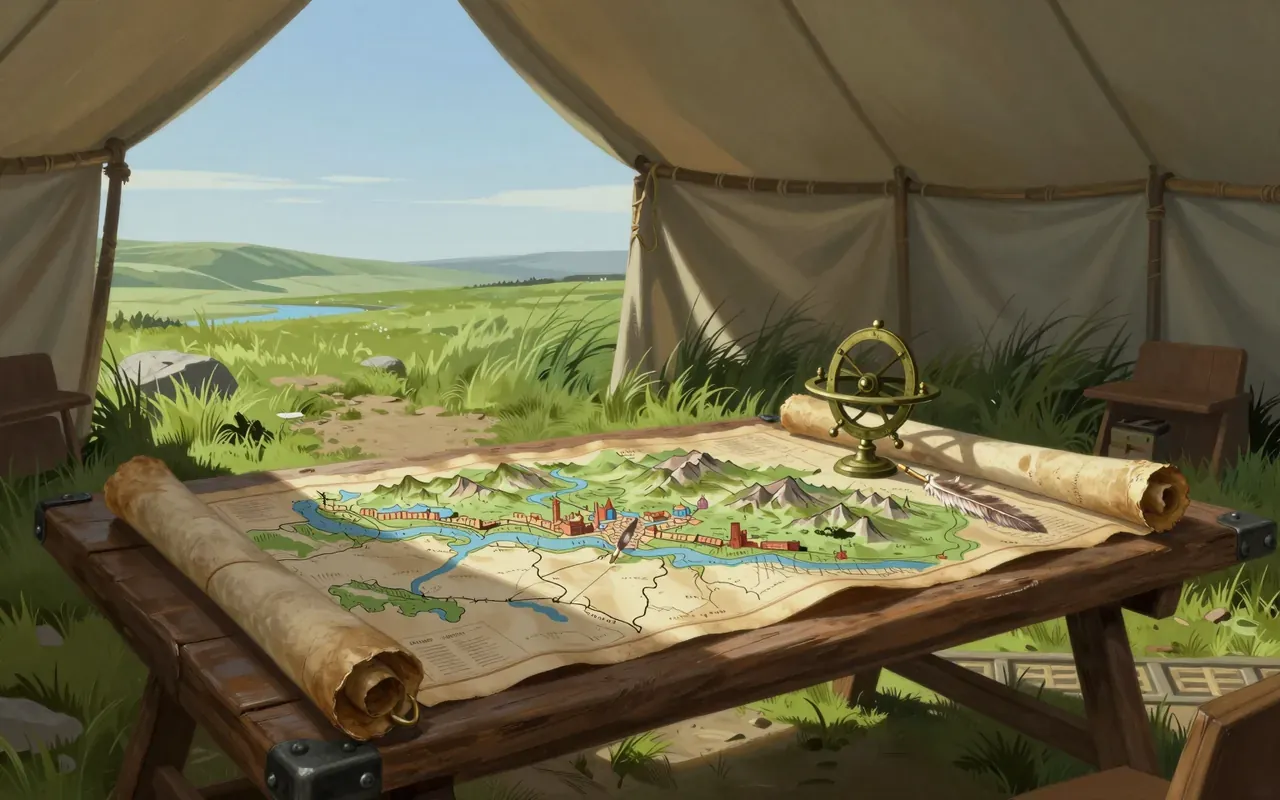
Suikoden III is a PlayStation 2 RPG by Konami Computer Entertainment Tokyo. It uses the Trinity Sight System to rotate control among Hugo, Chris, and Geddoe — each representing one side of a three-way conflict between the Grassland tribes, Zexen, and Harmonia. Protagonists are fully voiced. Recruitment of the 108 Stars of Destiny has no time limits. Combat features tandem front/back row action and chant-interruptible rune magic. Army battles use a node-based grid.
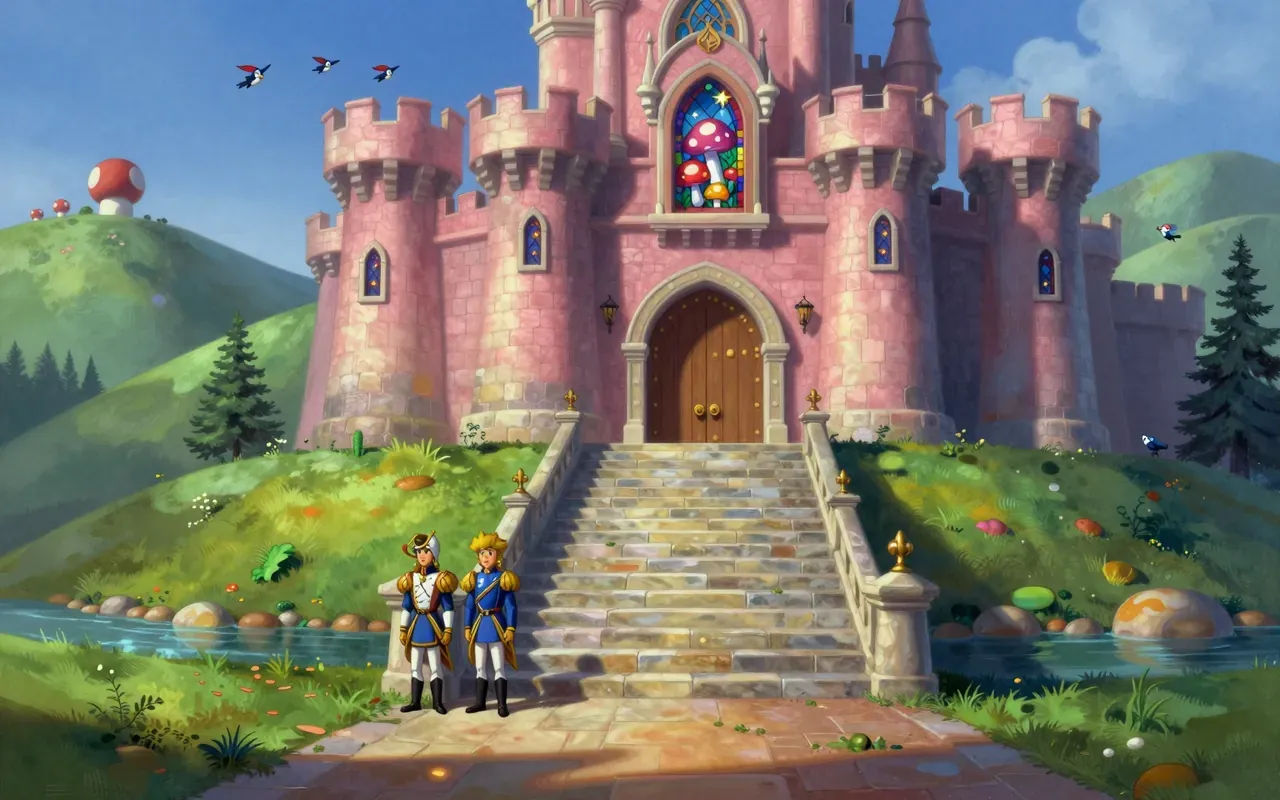
Super Mario 64 is a 1996 Nintendo 64 platform game and action-adventure title. It is the first Super Mario game with 3D graphics and a large open world. Bowser invades Princess Peach’s castle, kidnaps her, and hides Power Stars in magical paintings. As Mario, the player traverses levels and collects Power Stars to unlock areas of the castle, reach Bowser and rescue Peach. Mario’s abilities are far more diverse than in previous games. He can walk, run, jump, crouch, crawl, climb, swim, kick, grab objects, and punch using the game controller's analog stick and buttons. He can execute special jumps by combining a regular jump with other actions, including the double and triple jumps, long jump, backflip, and wall jump. The player can adjust the camera—operated by a Lakitu broadcasting Mario—and toggle between first-person and third-person view.
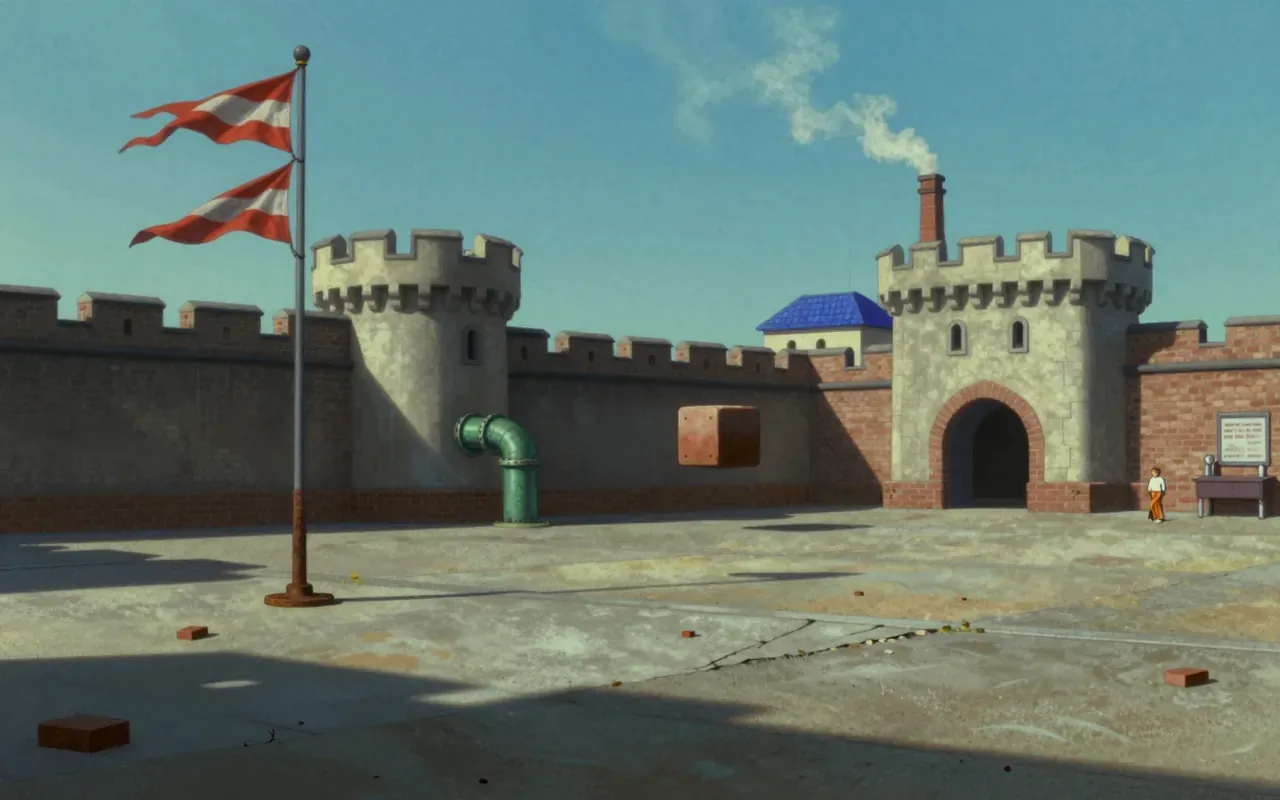
Super Mario Bros. establishes a foundational platforming loop: move right through side-scrolling stages, avoid hazards and enemies, collect coins and power-ups, and reach the flagpole. Core mechanics include dynamic size-changing via Super Mushroom (granting temporary invincibility and brick-breaking), precise jump-based enemy defeat (with varied responses per enemy type), and life management through coin counts, hidden items, and chaining actions. World 1-1 functions as an embedded tutorial, teaching mechanics through repetition and escalation rather than explicit instruction. Hardware constraints shaped design decisions—e.g., Goombas were made with a flipped sprite to save memory, clouds and bushes reuse the same tile, and background tiles are algorithmically generated. The game’s scrolling engine, adapted from Excitebike, enables smooth acceleration from walk to run—a technical departure from constant-speed movement in earlier platformers.
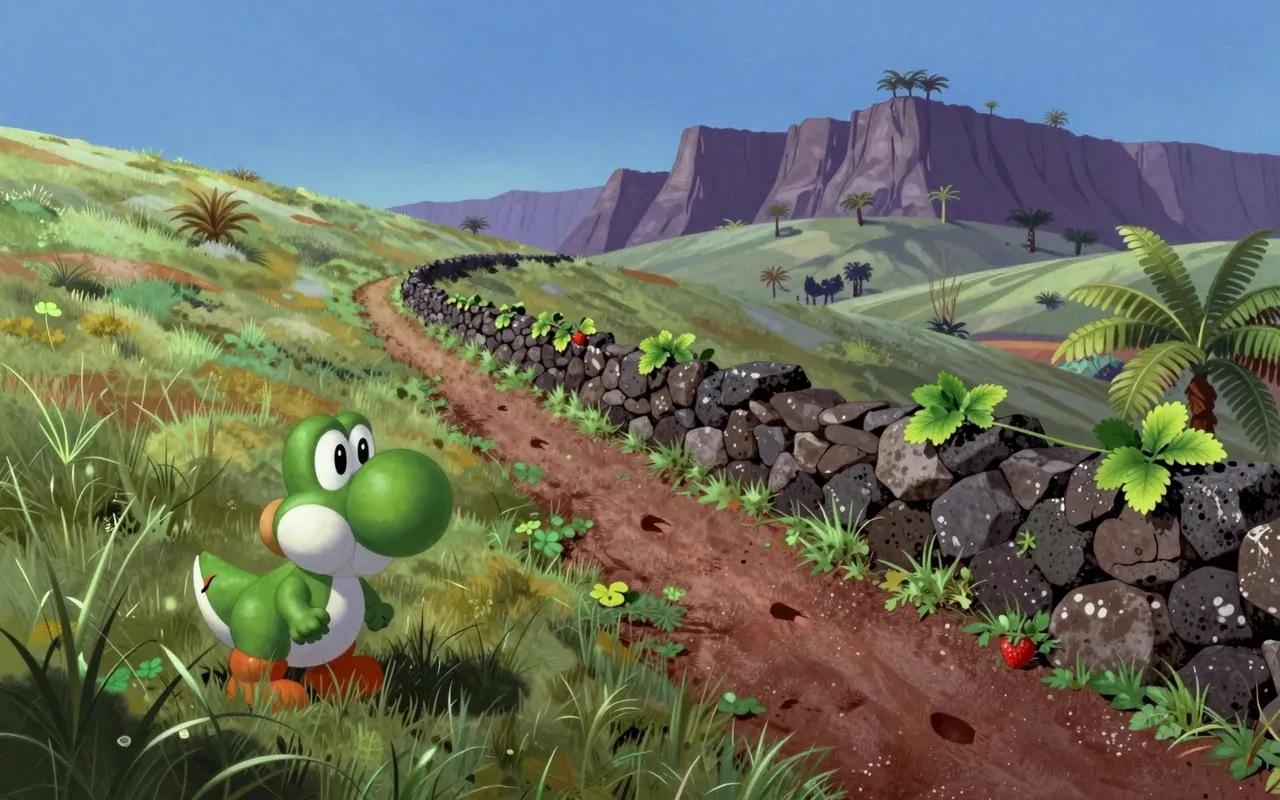
Super Mario World is a 2D side-scrolling platformer for the SNES, built around dual-layer navigation (overworld map + linear side-scrolling levels), expanded movement mechanics (Spin Jump, Cape Feather flight/gliding), and new systems like Yoshi riding, power-up storage, and secret Star Road routes.
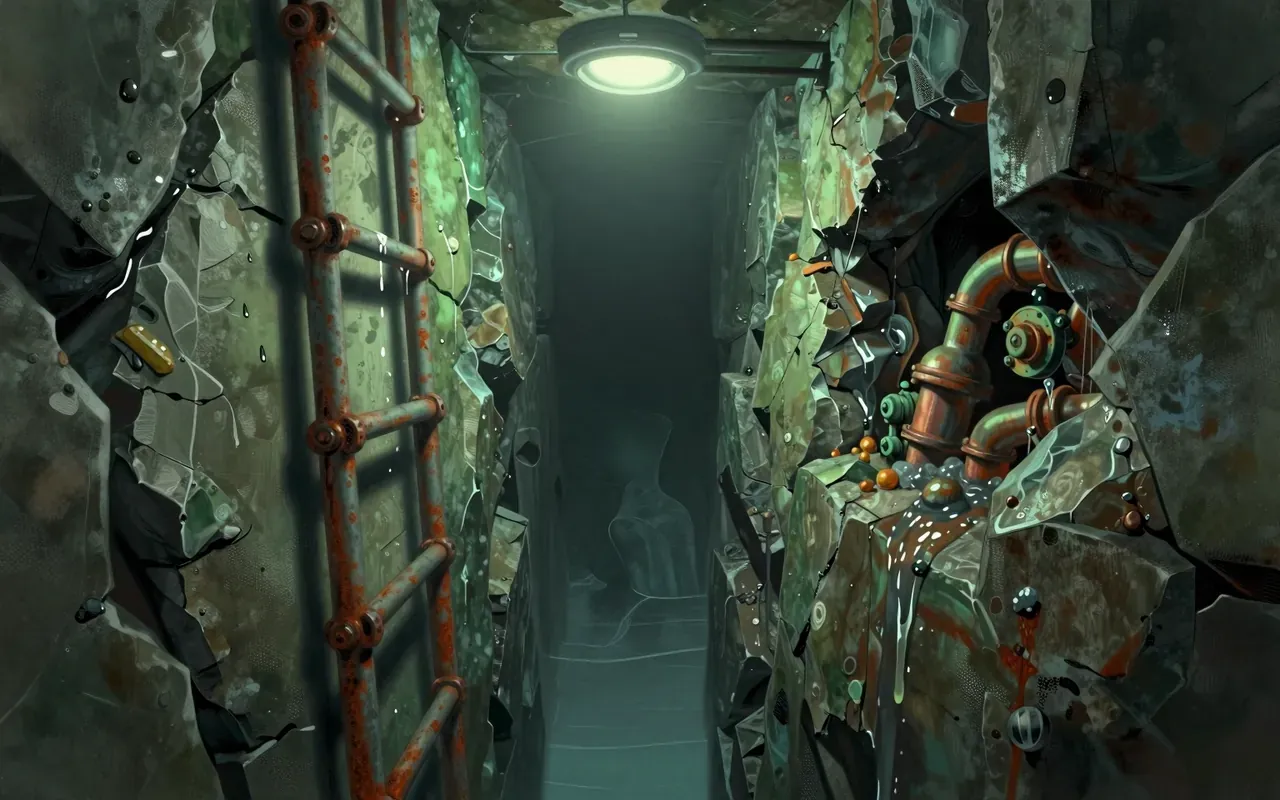
Super Metroid is a 2D side-scrolling action-adventure game set on the fictional planet Zebes, where Samus Aran pursues a Metroid stolen by Ridley. Its design revolves around non-linear exploration, directional combat, and progressive ability-gated traversal using power-ups like Morph Ball, Spring Ball, and Speed Booster. Movement mechanics—including wall jumping and Moon Walking—expand spatial agency. Systems like the automap, inventory screen, and save stations structure progression. The game is part of Nintendo's Metroid franchise and was sold as an individual title among more than 5.9 billion Nintendo games sold worldwide.
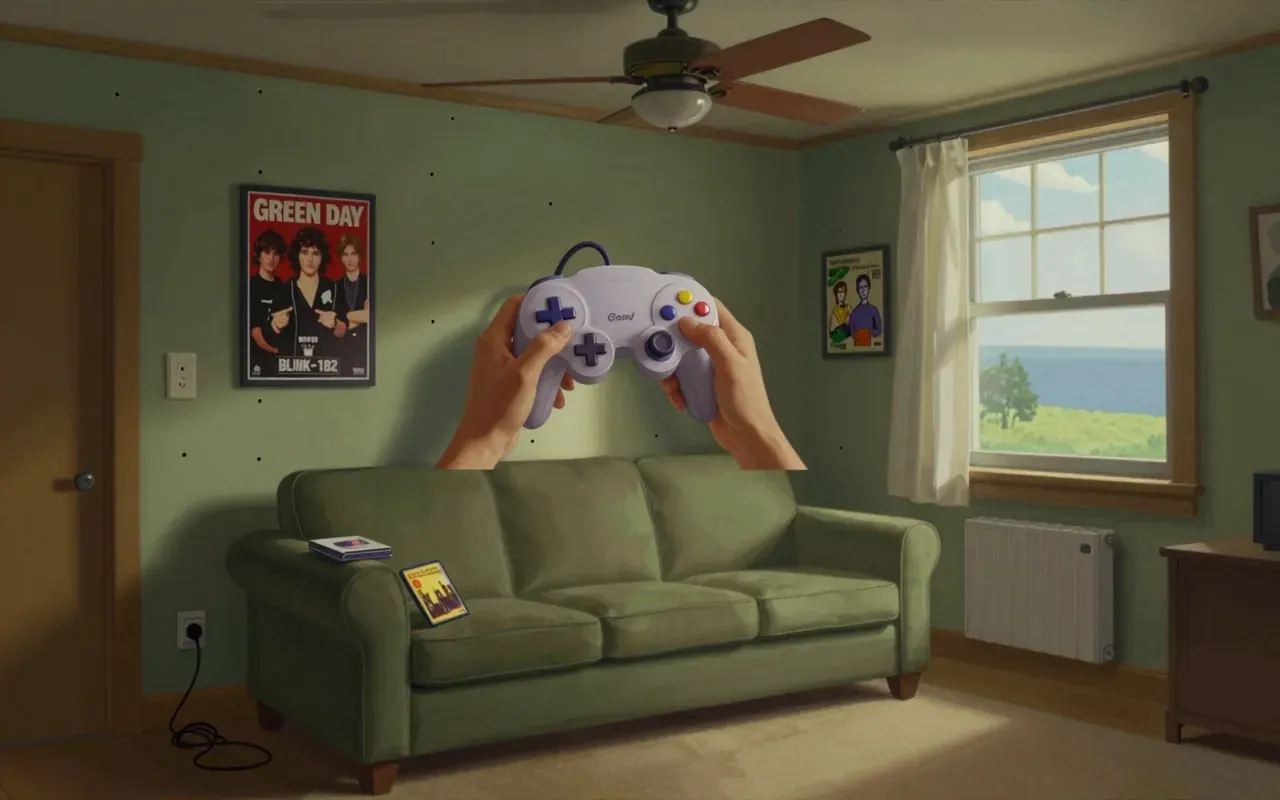
Super Smash Bros. Melee is a platform fighter where damage is tracked as a percentage that directly governs knockback, not depletion. Players use directional joystick input plus a single button to perform attacks—including special moves mapped to B + direction. Victory comes from knocking opponents off themed stages—not reducing their health to zero. Up to four players compete locally in Stock or Time modes. It is a Nintendo-published title featuring internationally recognised Nintendo characters. It belongs to the Super Smash Bros. franchise, a major Nintendo IP.
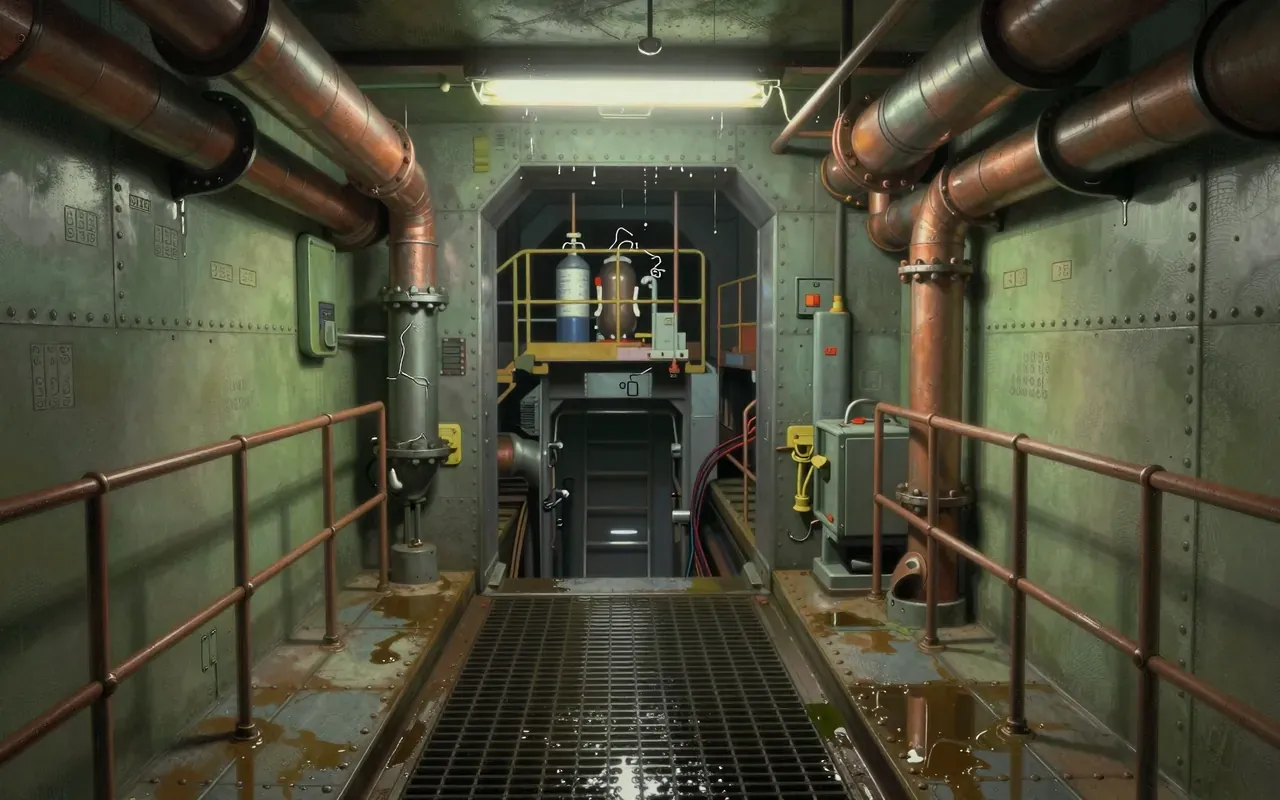
System Shock 2 is a first-person action role-playing survival horror game set aboard a starship in a cyberpunk 2114. You play as a soldier fighting a genetic infection through combat, exploration, and skill development. Gameplay consists of first-person combat and exploration, with role-playing elements including hacking and psionic abilities. Navigation is first-person with a HUD showing character/weapon info, map, and drag-and-drop inventory. The game fuses FPS immediacy with RPG consequence, demanding patience and attention from the player.
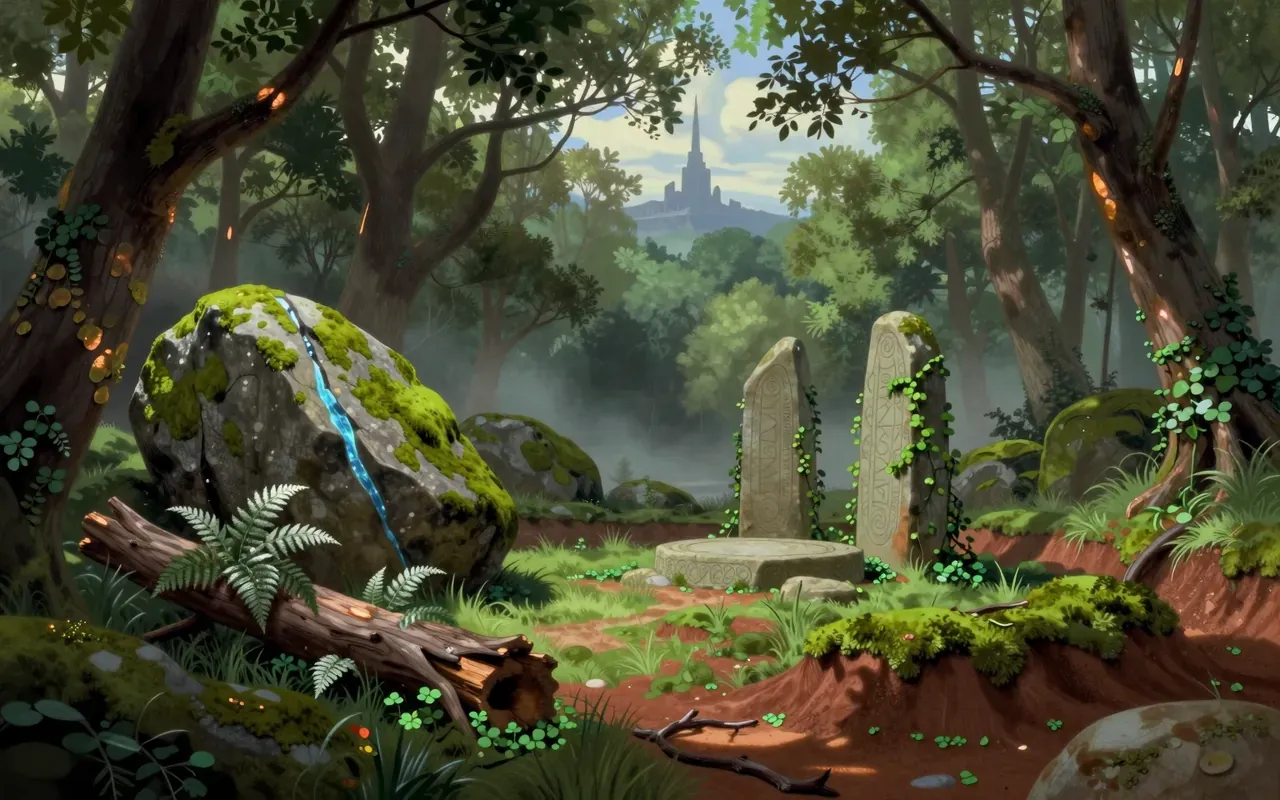
Tales of Phantasia is the foundational title of the Tales series—a technical pivot from turn-based to real-time party combat on the Super Famicom. Its Linear Motion Battle System defines engagement by splitting control: one character in motion, the rest in menus or AI. It delivers a focused revenge arc set in Aselia, where the destruction of Cress’s village serves a larger scheme to free Dhaos. Development was delayed from 1994 to late 1995 due to Namco-mandated changes—including the title—after Telenet contracted Namco following failed talks with Enix. Yoshiharu Gotanda conceived the game at Wolf Team.
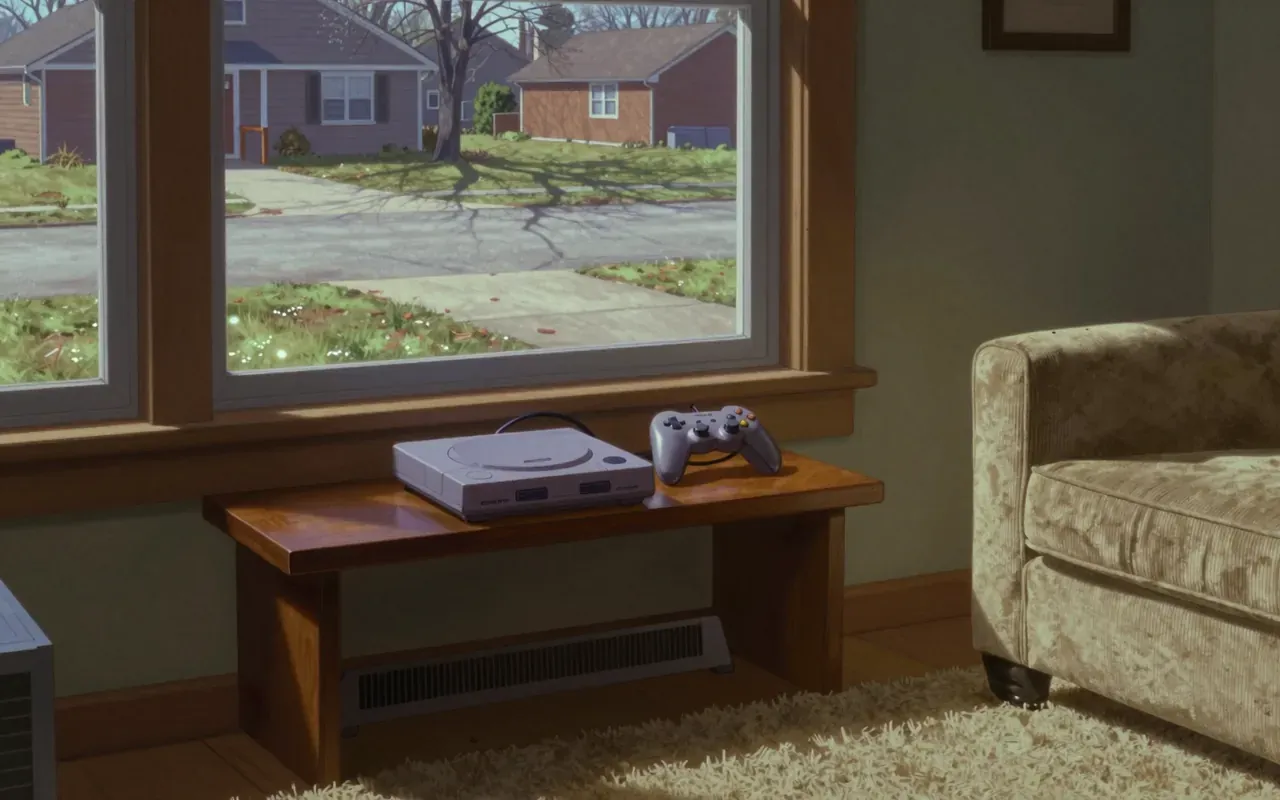
Tekken 3 is a 3D fighting game developed by Namco, launched in arcades in March 1997. It refines the series’ combat with universal sidestepping, lower jumps, universal reversals, faster knockdown recovery, expanded juggling, and new combo throws. It adds two minigames—Tekken Force (a side-scrolling beat 'em up) and Tekken Ball (a volleyball-style combat mode)—and implements a PlayStation-specific unlock system where only 10 of 24 fighters are initially available.
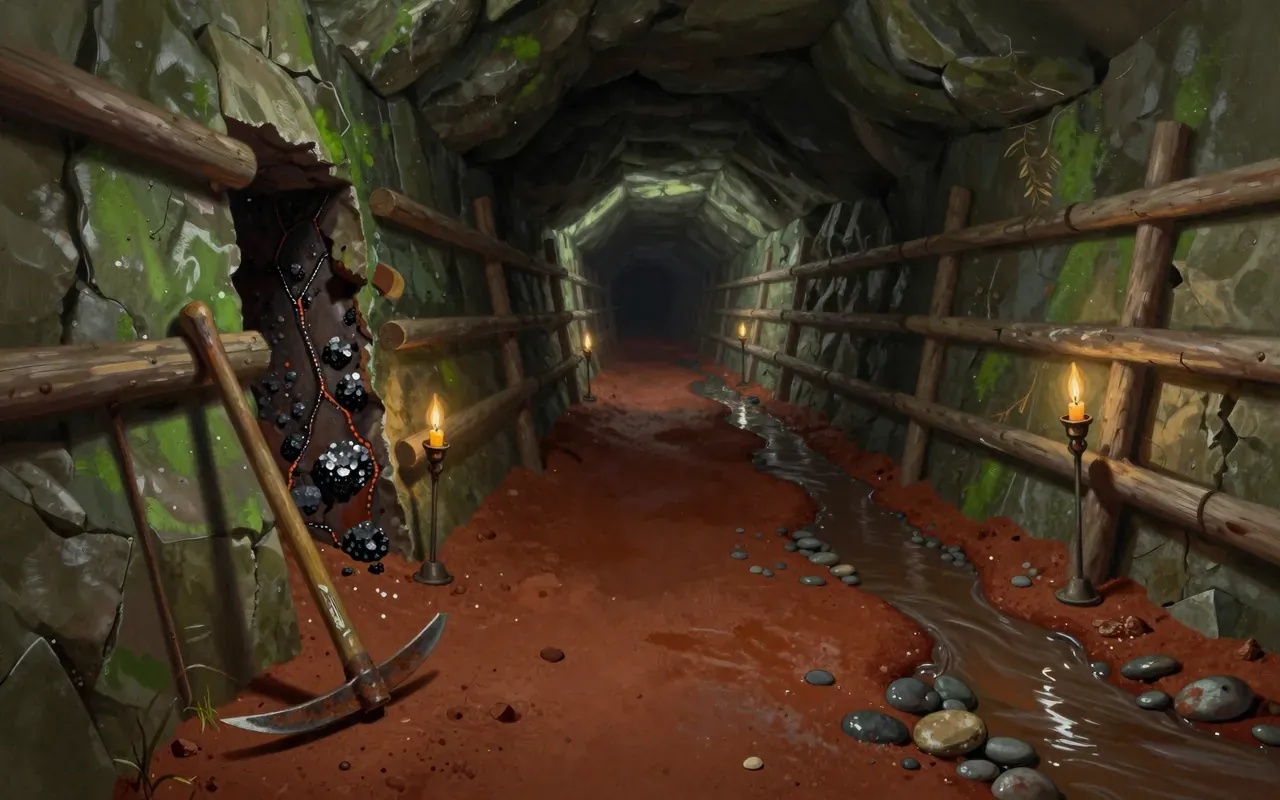
Terraria is a 2D sandbox action-adventure game with no set goals. Players explore procedurally generated worlds, fight bosses to unlock progression, gather resources across biomes, craft equipment, and recruit NPCs by completing goals. Evil biomes like Corruption and Crimson spread and infect other areas. Resources such as ores are found in caves. The game supports single-player, multiplayer, and modding. It was developed by Re-Logic—an American independent studio based in Floyds Knobs, Indiana—using the Microsoft XNA framework. It launched on May 16, 2011, earlier than planned due to a beta leak. Development was paused in February 2012 but resumed in 2013, with major updates continuing thereafter.

Tetris (1985) is a puzzle game where tetrominoes descend one at a time from the top-centre of a rectangular field; players move and rotate them horizontally until they land, aiming to form complete horizontal lines that vanish and cause blocks above to fall. Line clears grant points and increase descent speed; the game ends when pieces stack to the top ('topping out'). The original version ran on the Elektronika 60 and IBM PC, and its core design remains consistent across versions.
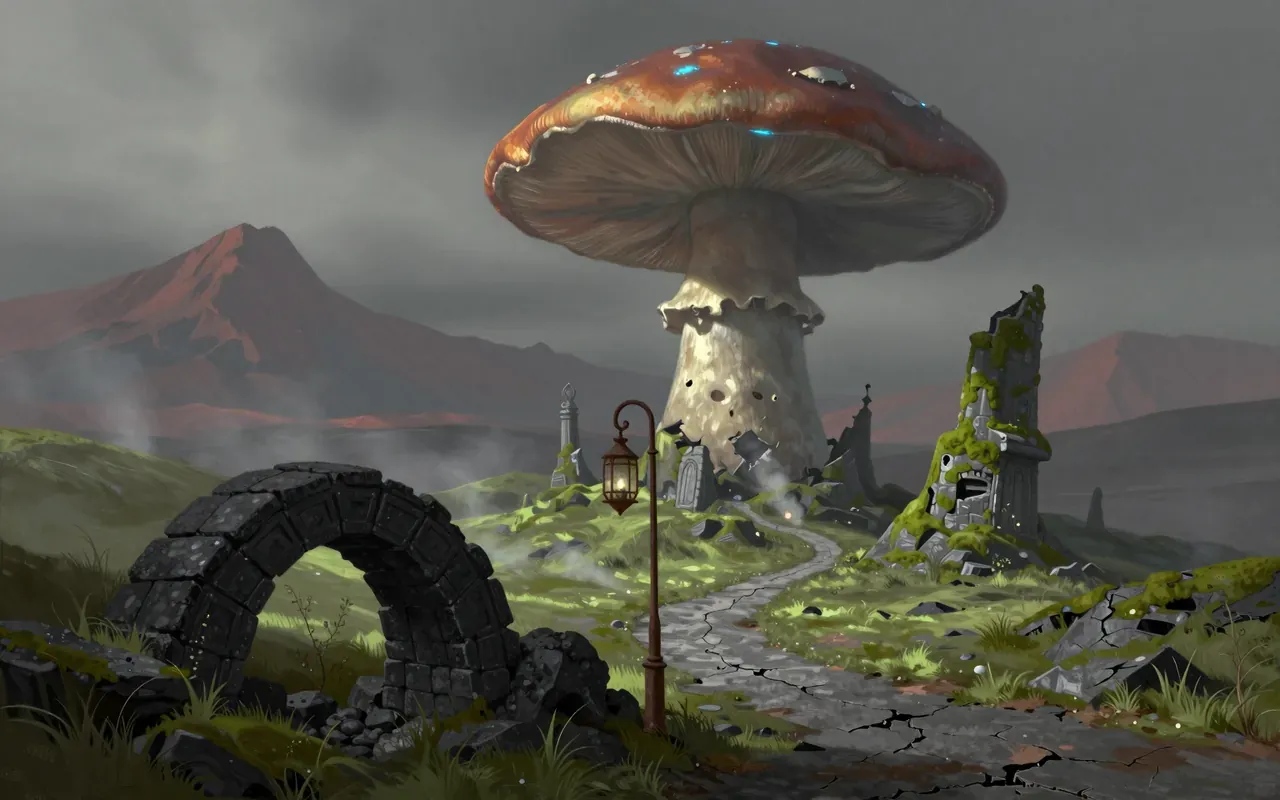
Morrowind is a dense, alien, self-contained world where freedom is structural — not just thematic. It refuses to hold your hand, explain its rules, or reward compliance. Its strength is in its refusal to simplify.
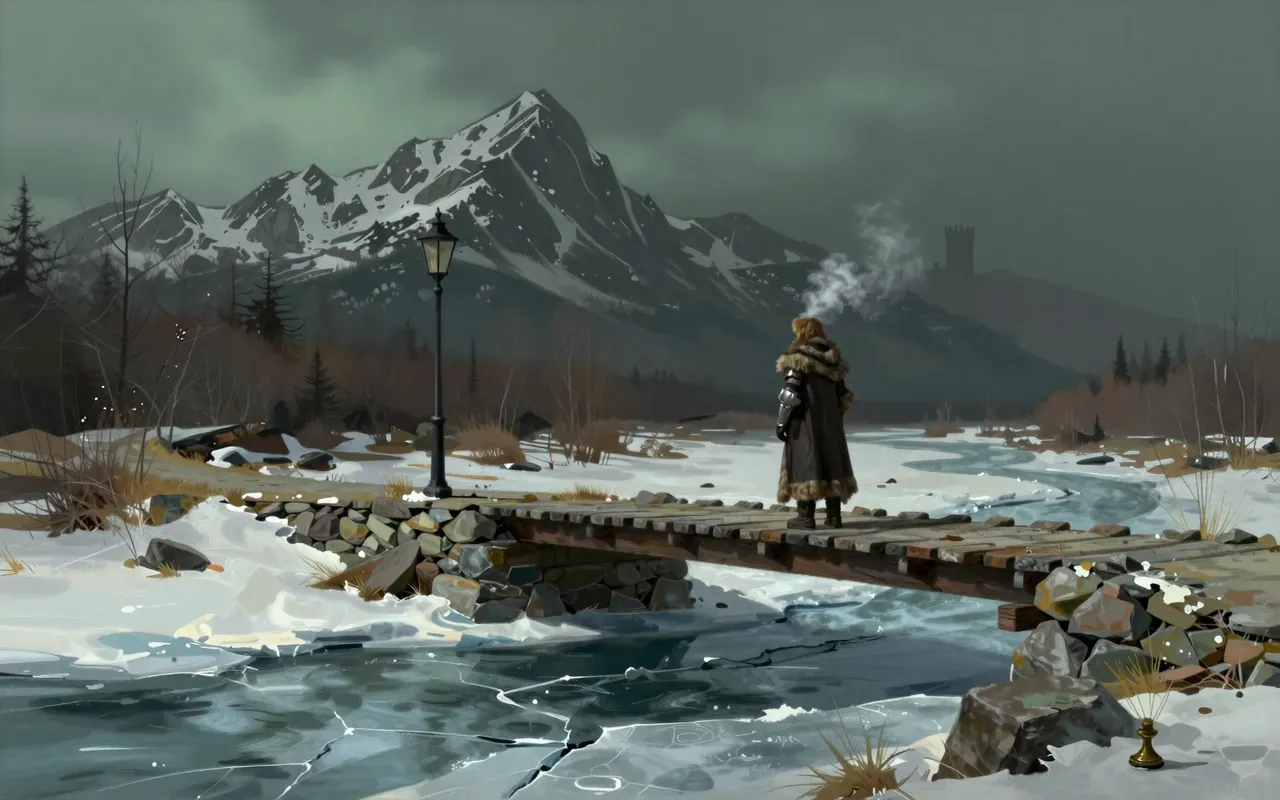
Skyrim delivers open-world agency through fast travel, skill-based progression, and unconditional quest deferral — but offers no systemic consequences for how those freedoms are used. Its strength is in repetition, not responsiveness.
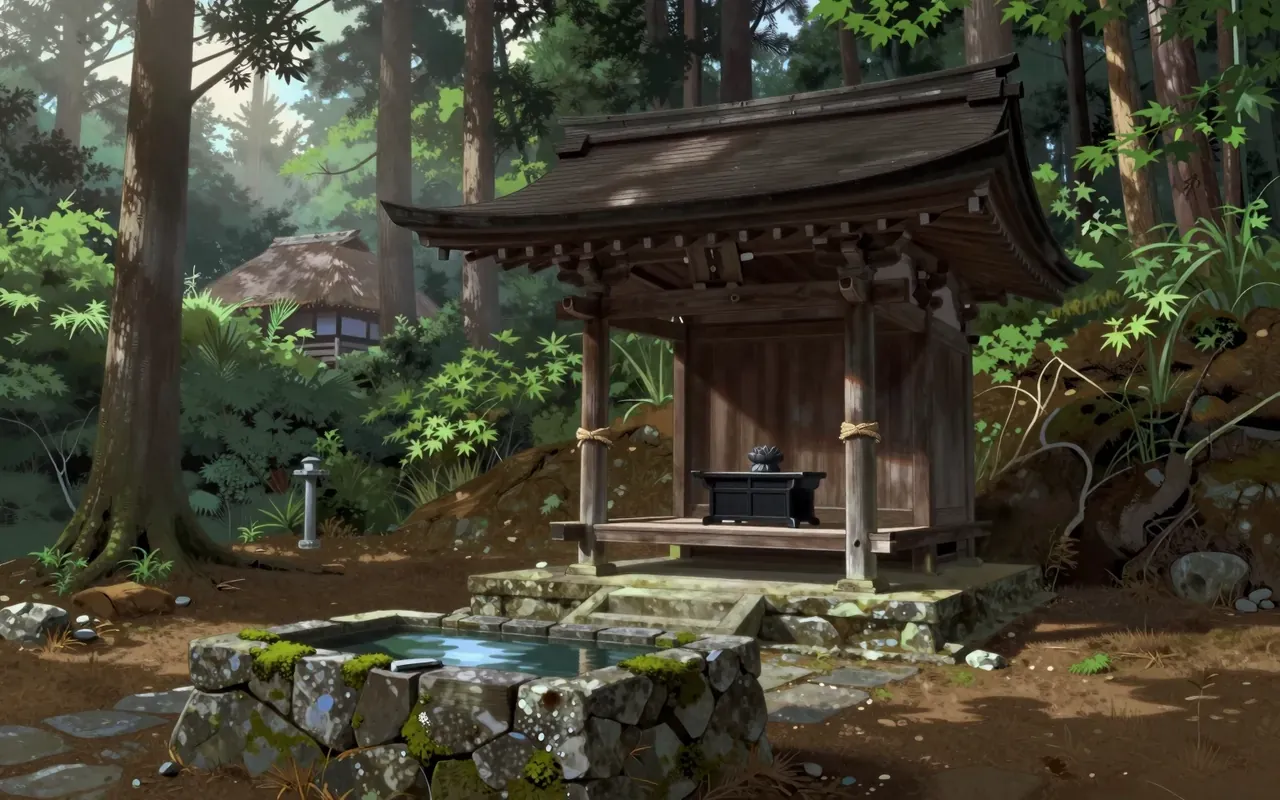
The Last Ninja is a precise, path-constrained isometric action-adventure that forces players to learn terrain, timing, and ritualised interaction. It works because its systems interlock cleanly—but it refuses flexibility, improvisation, or narrative expansion.
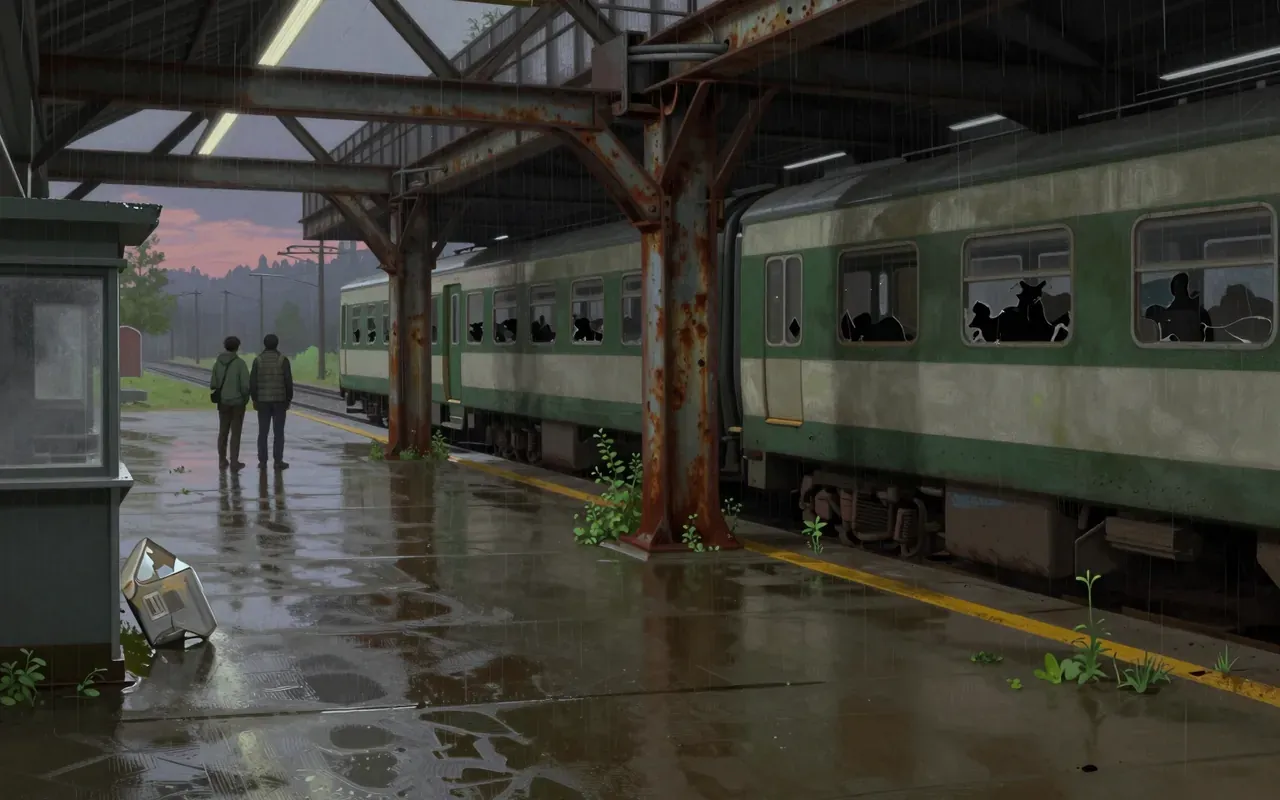
A post-apocalyptic third-person action-adventure game set in a United States overrun by humans infected with a Cordyceps-like disease. It follows the plight of Ellie and Joel—and later Abby—as they navigate trauma, vengeance, and survival.
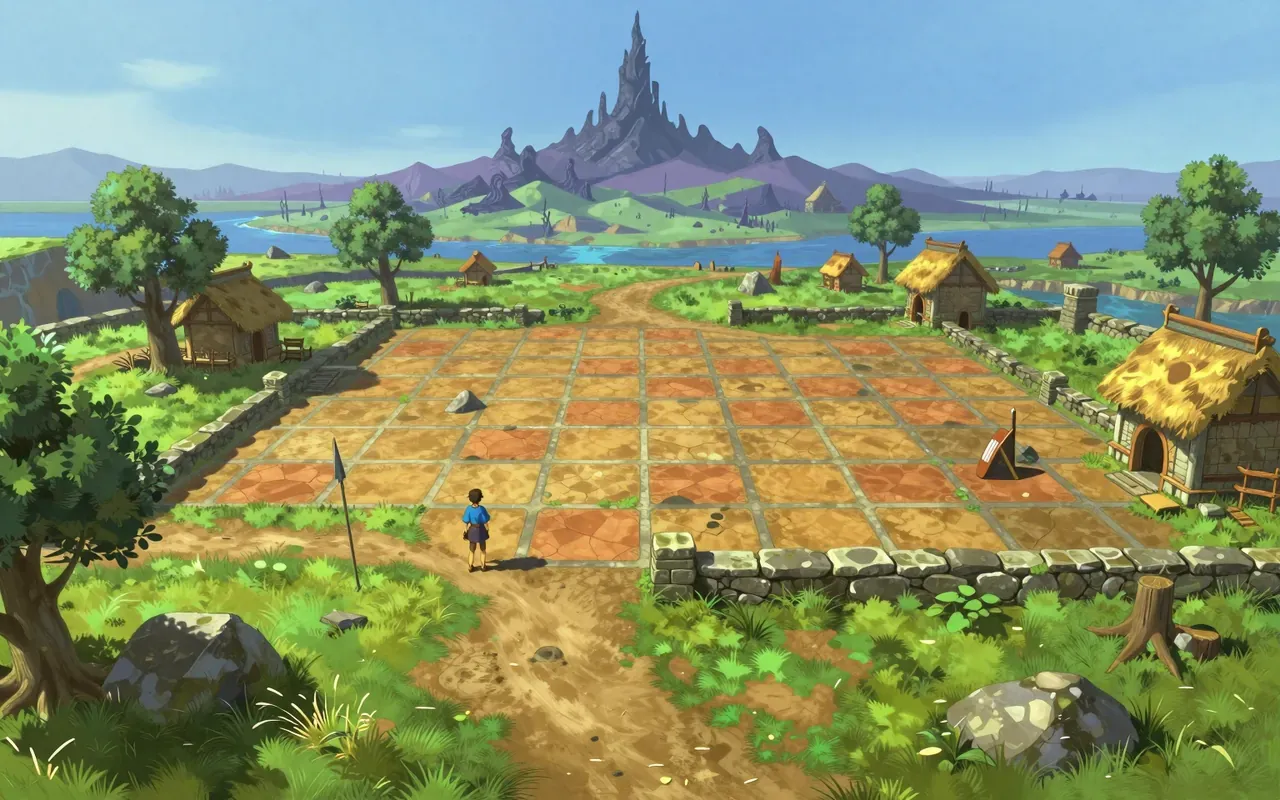
A Link to the Past establishes the template for action-adventure structure: item-gated progression, parallel worlds with hard transitions, and dungeons as sequential logic puzzles. It assumes player patience, rewards observation, and refuses to separate exploration from consequence.
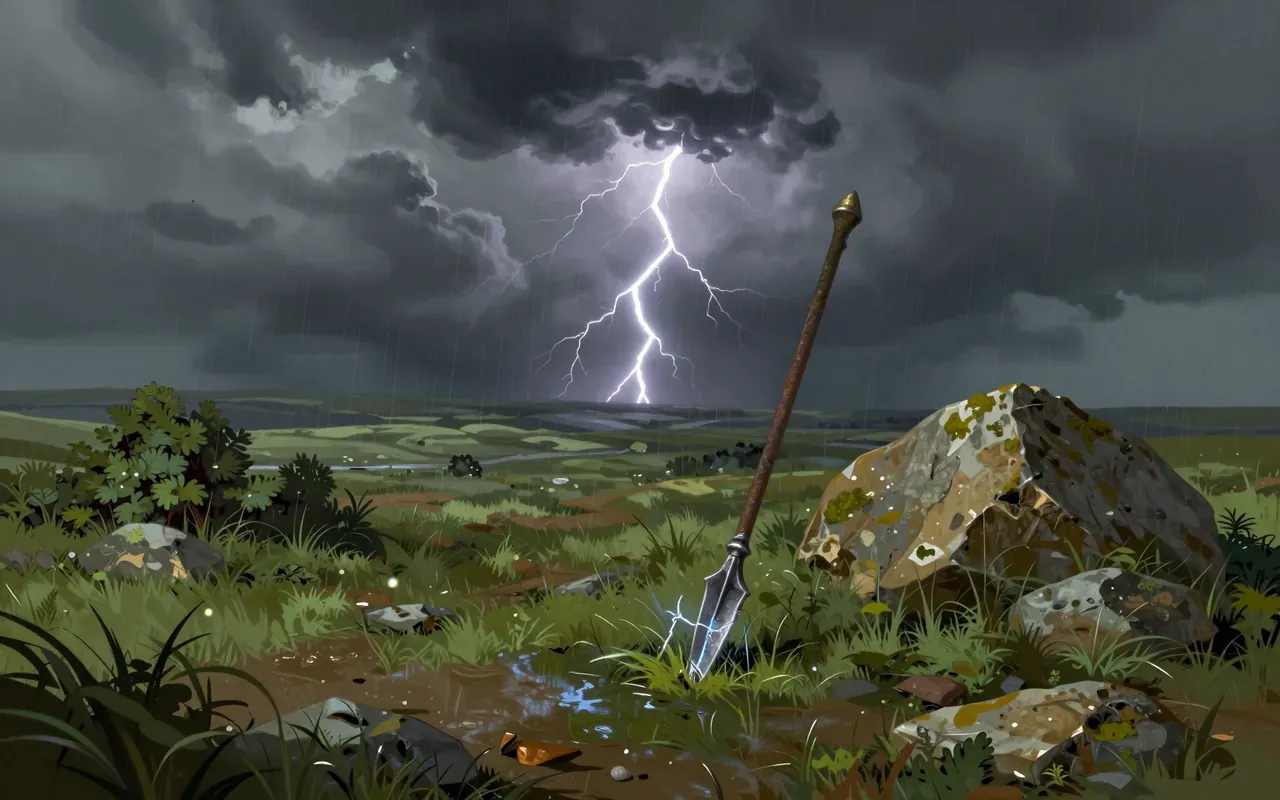
Breath of the Wild replaces authored sequence with systemic consequence. Its design asks you to observe, test, and adapt — then discard your answer when the next object breaks, the next storm hits, or the next slope demands a new use for the same shield.
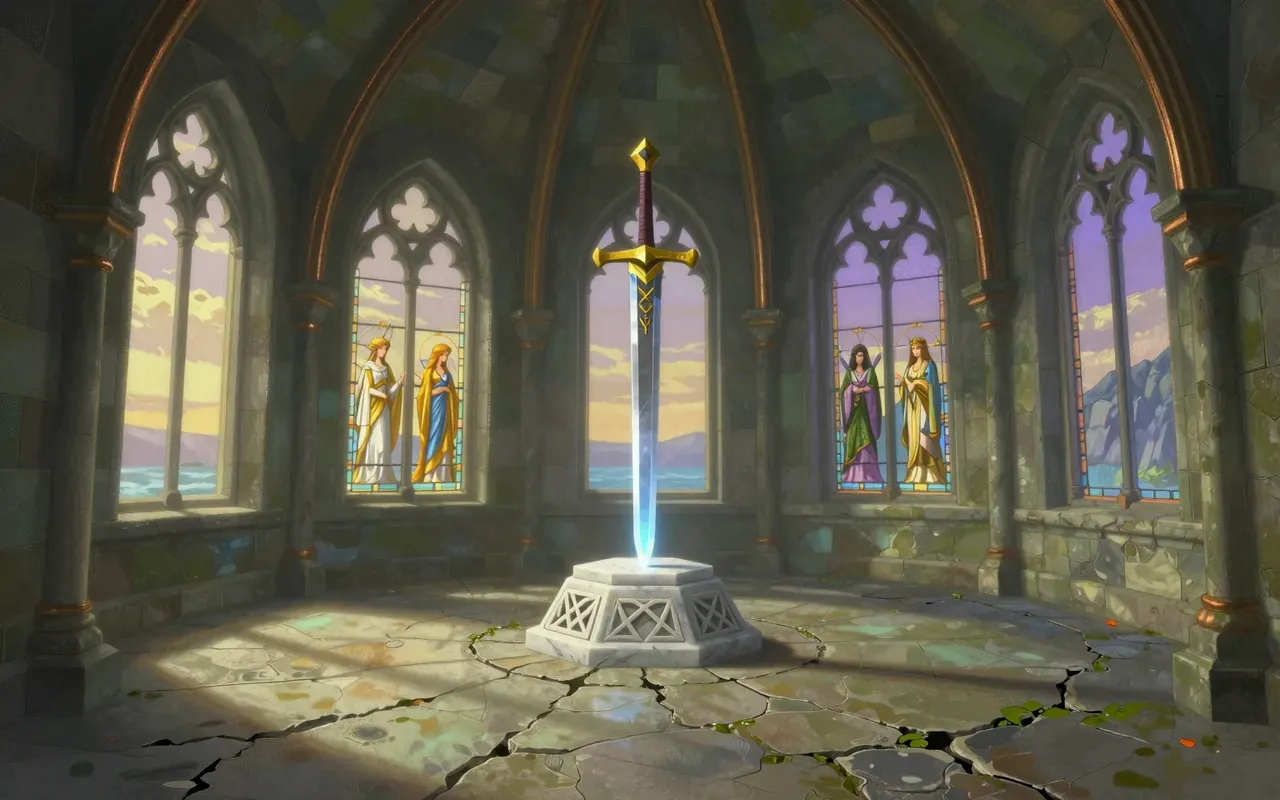
A foundational 3D action-adventure that established targeting, context-sensitivity, and music-as-mechanic—but does so with hardware-imposed friction, not elegance.
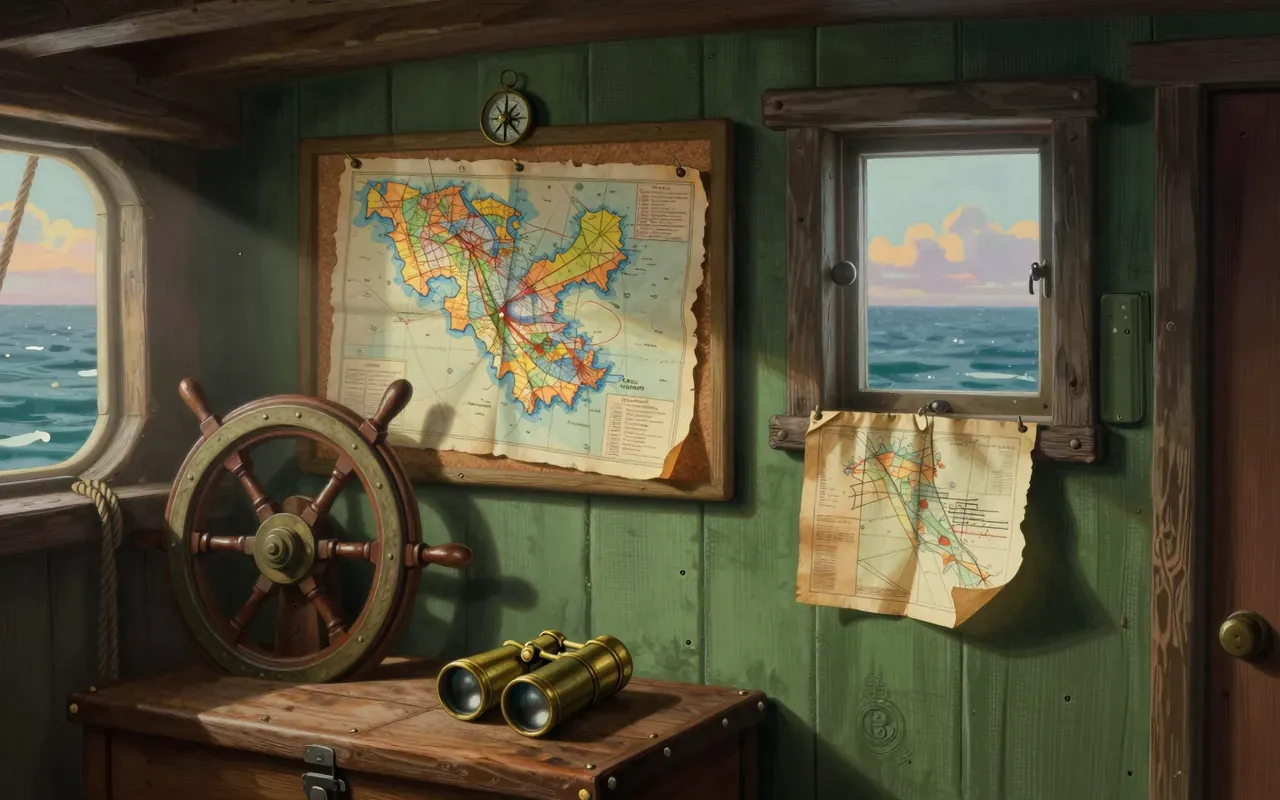
A foundational point-and-click adventure that prioritised interface clarity and consequence-free exploration over challenge or realism.
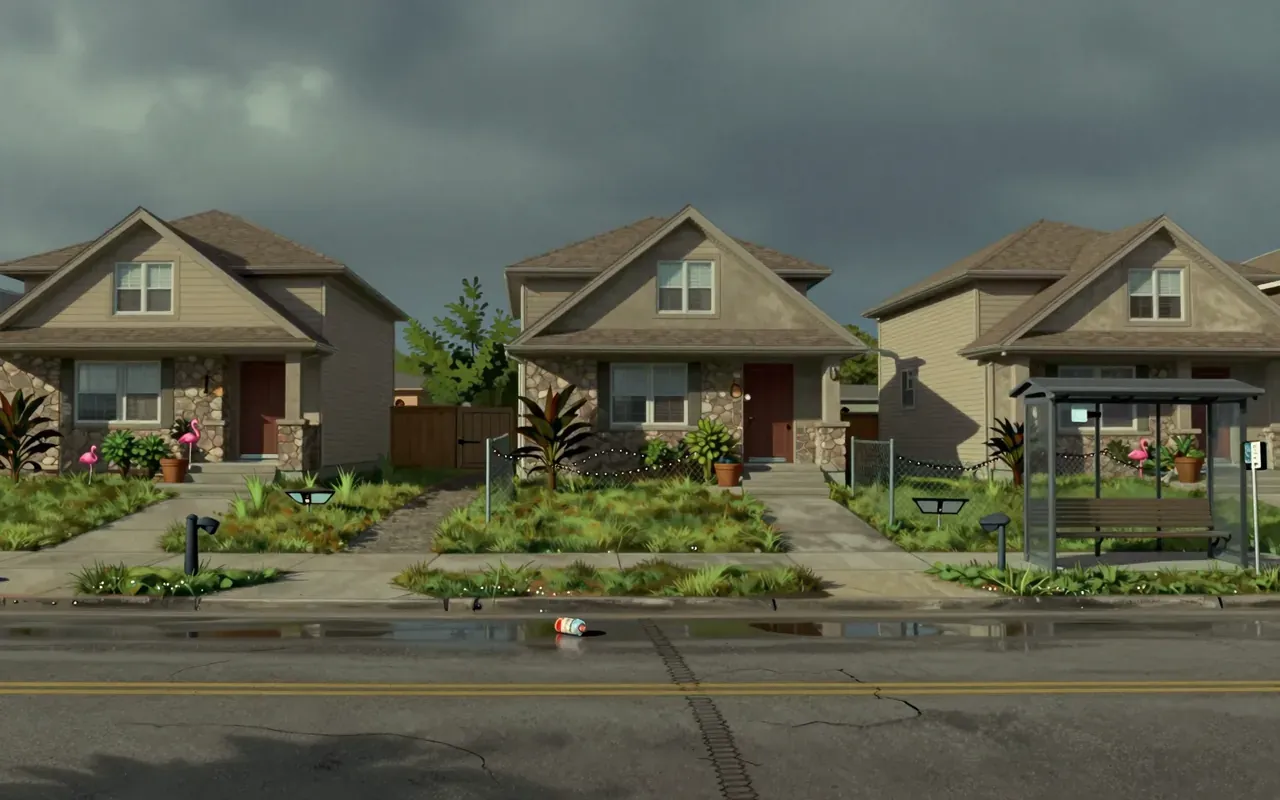
The Sims 2 is a 2004 Maxis simulation that introduces full 3D, lifespan management, genetics, and 360° camera control to the franchise. It expands domestic agency but offers no narrative cohesion across its pre-built neighborhoods.
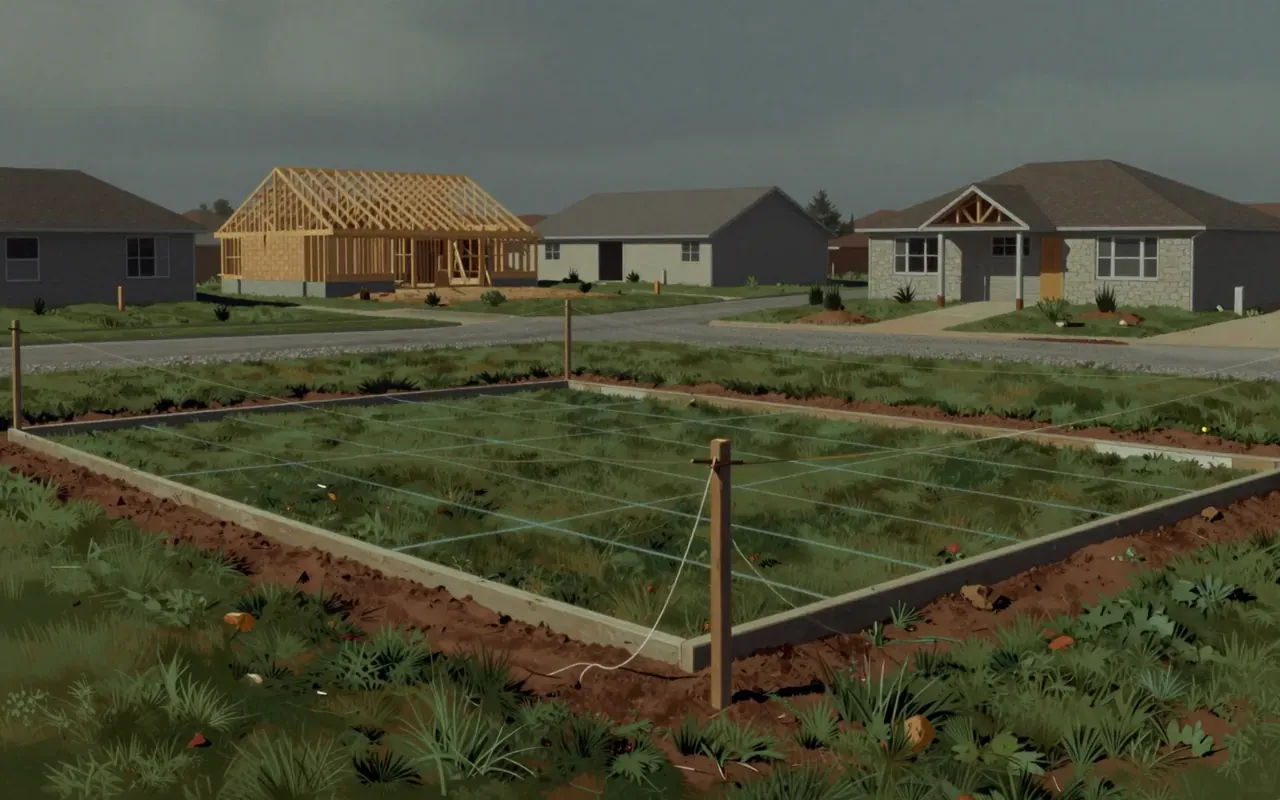
The Sims 4 is a social simulation game developed by Maxis and released in September 2014. It has no primary objectives or storyline. Players create Sims using Create-a-Sim, build homes in Build mode, and manage six depleting needs—hunger, bladder, hygiene, social, fun, and energy—through interactions with objects. Careers generate income, but advancement depends on developing linked skills. Aspirations and dynamic wants and fears provide optional goal-oriented structure. The game is open-ended and almost endless.

Tony Hawk's Pro Skater 2 is a tightly wound trick-chaining machine — built for repetition, reward, and escalating absurdity. Its fixed camera and autonomous skater create a distinct physical language. Its loose physics serve the loop, not realism. It offers no story, no stakes beyond your own score — and that’s exactly why it holds up.
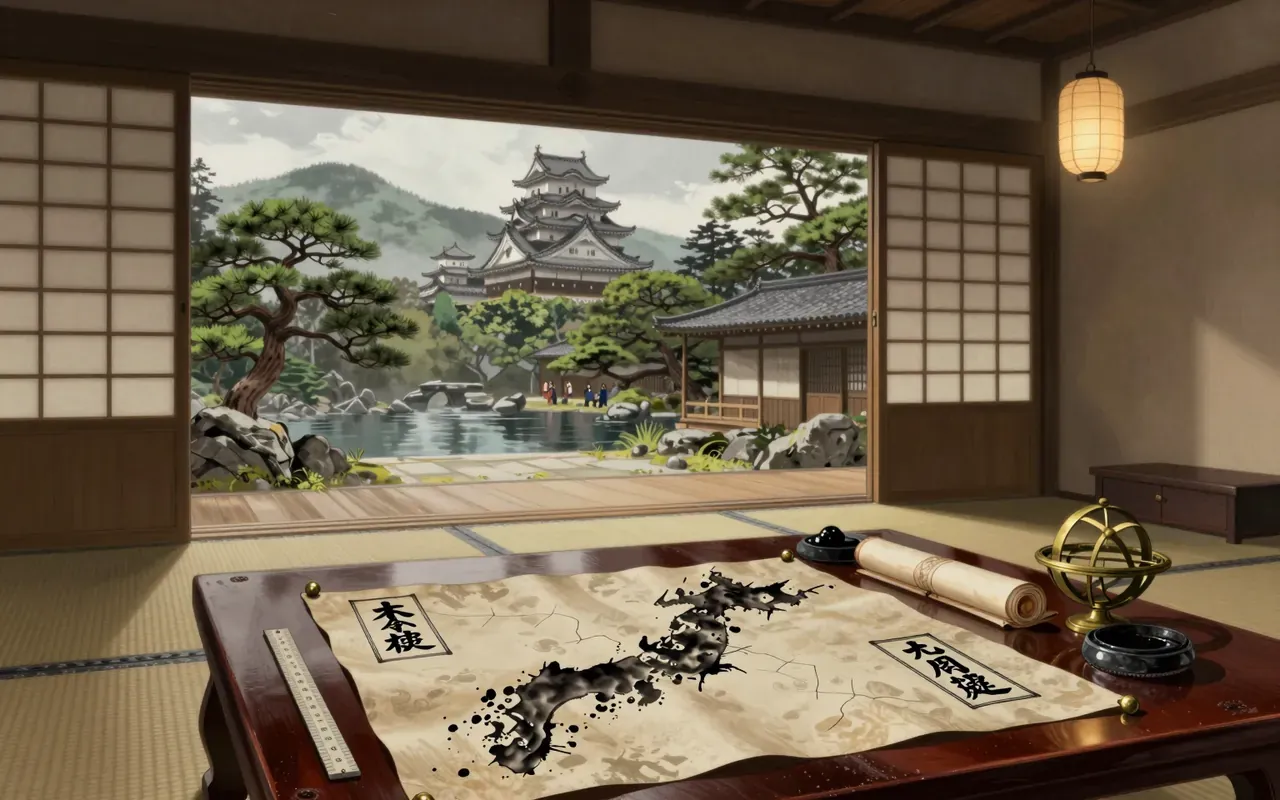
Total War: Shogun 2 is a systemic strategy game that demands sustained attention across long sessions. It gives players deep control over settlement, economy, religion, diplomacy, and battlefield tactics—but offers no hand-holding for their interplay. Its strength lies in enforced trade-offs: ashigaru versus samurai, stealth versus siege, faith versus expansion. It assumes competence, not curiosity.

A foundational computer RPG that shifted the genre from solo brawling to party-based tactics and puzzle-driven resolution — built on Ultima’s reputation to launch Origin Systems during the 1983 crash.
Vandal Hearts is a 1996 Konami tactical RPG defined by its isometric, rotatable 3D terrain, side-by-side turn structure, flexible movement, and strict leader-death loss condition. It offers varied stage objectives but no narrative or progression systems beyond core combat.
Wii Sports is a hardware demo disguised as a game. It reduces sport to arm motion. It asks nothing of the player but gesture—and gives back only confirmation. It worked because it was the first thing many people ever did with motion control. It does not work as a game today.
Zaxxon is a 1982 Sega arcade shooter that pioneered isometric projection to create a pseudo-3D environment where altitude management—indicated by shadow and altimeter—is central to navigating fortress walls and obstacles. Movement is constrained to constant forward speed with vertical control only via joystick, requiring players to learn and internalise altitude-based spatial reasoning. Its design demanded new interface cues (joystick illustrations) due to unfamiliar control logic.
Zork is a text adventure game developed by Infocom, released in episodic form starting in 1977, where players explore the abandoned Great Underground Empire by issuing natural-language commands to a sarcastic, conversational parser.